USA · Cascade Range
A Cascadian Legend
Issue 2012 · Words: Sakeus Bankson · Photos: Garrett Grove · 6 min read
Populated by the ghosts of miners, Bigfoot and the words of Jack Kerouac and Gary Snyder, the Cascades are a land of stories and folklore. By the earliest Native American legends the mountains were …
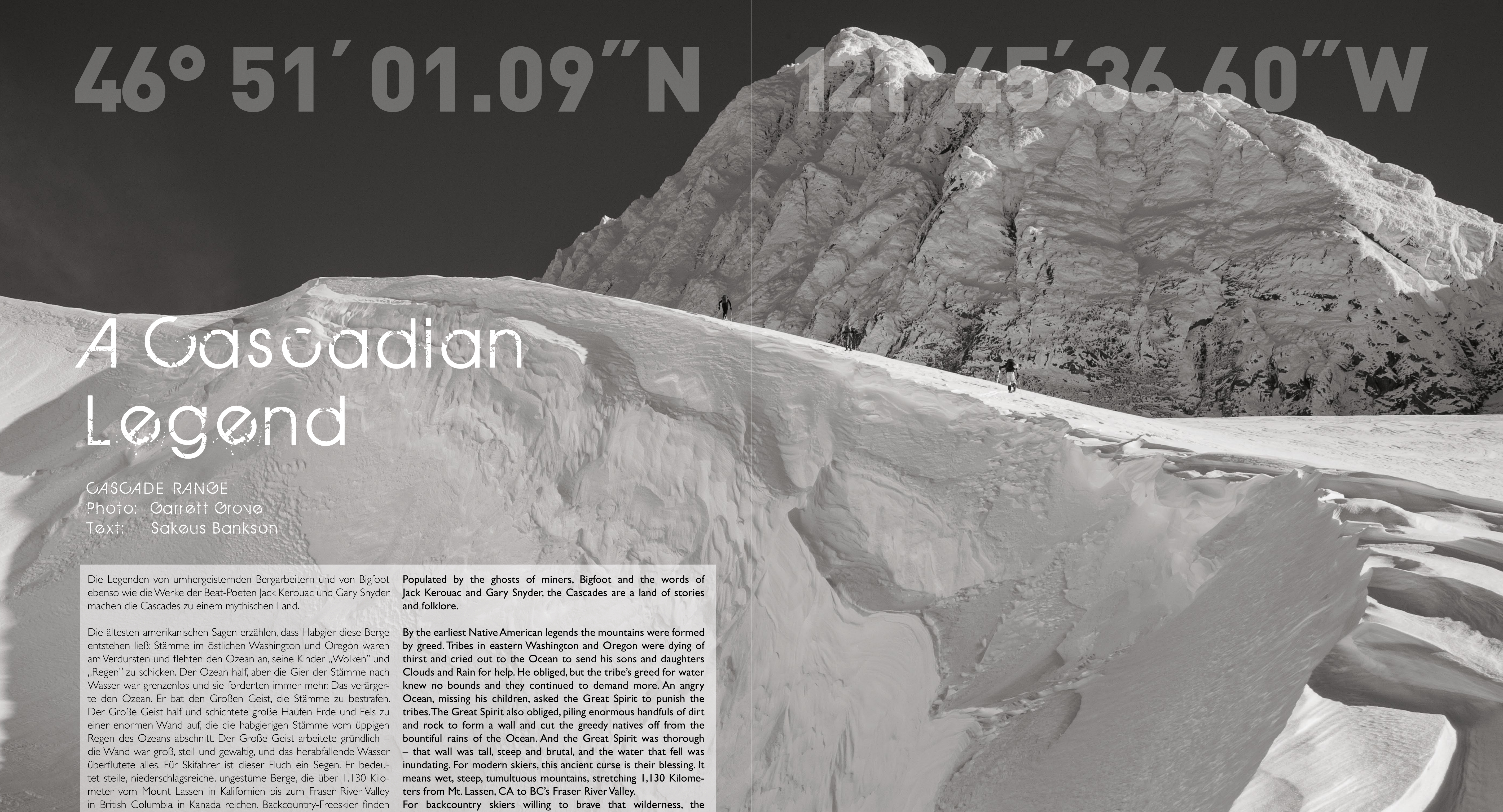
Populated by the ghosts of miners, Bigfoot and the words of Jack Kerouac and Gary Snyder, the Cascades are a land of stories and folklore. By the earliest Native American legends the mountains were formed by greed. Tribes in eastern Washington and Oregon were dying of thirst and cried out to the Ocean to send his sons and daughters Clouds and Rain for help. He obliged, but the tribe's greed for water knew no bounds and they continued to demand more. An angry Ocean, missing his children, asked the Great Spirit to punish the tribes. The Great Spirit also obliged, piling enormous handfuls of dirt and rock to form a wall and cut the greedy natives off from the bountiful rains of the Ocean.
And the Great Spirit was thorough - that wall was tall, steep and brutal, and the water that fell was inundating. For modern skiers, this ancient curse is their blessing. It means wet, steep, tumultuous mountains, stretching 1,130 Kilometers from Mt. Lassen, CA to BC's Fraser River Valley. For backcountry skiers willing to brave that wilderness, the Cascades have become the frontier that Alaska was for hungry gold miners, with first descents falling from nameless peaks and couloirs like snowy white gold. Native tribes from the area also have stories describing the range's fiery origins. The Great Spirit turned two wicked and quarreling chiefs into mountains - Mt. Saint Helens and Mt.
Adams - who continued their battle even as stone by throwing flames at each other. This fiery and geologically violent tale isn't far from the actual story of the Cascade's origins; much of the range was formed by volcanic activity along a tectonic-plate subduction zone and is part of the trail of volcanoes rimming the Pacific Ocean called the Ring of Fire. The Cascade's own volcanoes stand tall above the surrounding mountains, proud and glacier-laden peaks like Mt. Rainier, Mt. Baker, Glacier Peak, Mt. Adams, Mt. Hood and the infamous Mount St. Helens. During the summer months, the Cascade Mountains of the Pacific Northwest are a formidable but not forbidding place.
Dubbed the "Alps of North America", the range's alpine slopes are blanketed with meadows of wildflowers, the steep valley walls grooved by rivers and creeks. Those cold, clear waters tumble down into the monstrous, ancient trees of the forests and valley bottoms, some of the biggest in the world. And green - there are few places as shockingly green as the moss and fern-adorned forest floors of the Pacific Northwest. At 130 Kilometers wide and nestled against the dense populations of Vancouver, BC, Seattle, WA and Portland, OR, the range attracts plenty of hikers, climbers and campers that travel the large network of trails that wind throughout.
The trails include the famous Pacific Crest Trail that runs the length of the entire Cascades along its way from Mexico to Canada. But under winter's first snowy encasement, these mountains become sudden, solitary and deadly serious. Ridgelines rise crooked and dark. Broken and frostbitten fingers of granite and volcanoes dominate the heavy skies like angry frozen kings. Those 130 Kilometers become a vast, broken wasteland, with the only entries and exits occurring along the few winding highways that cut their way through the range, sometimes closing under the smothering, annual snowfalls of up to 25 meters - including Mt. Baker's world-record 30 meters.
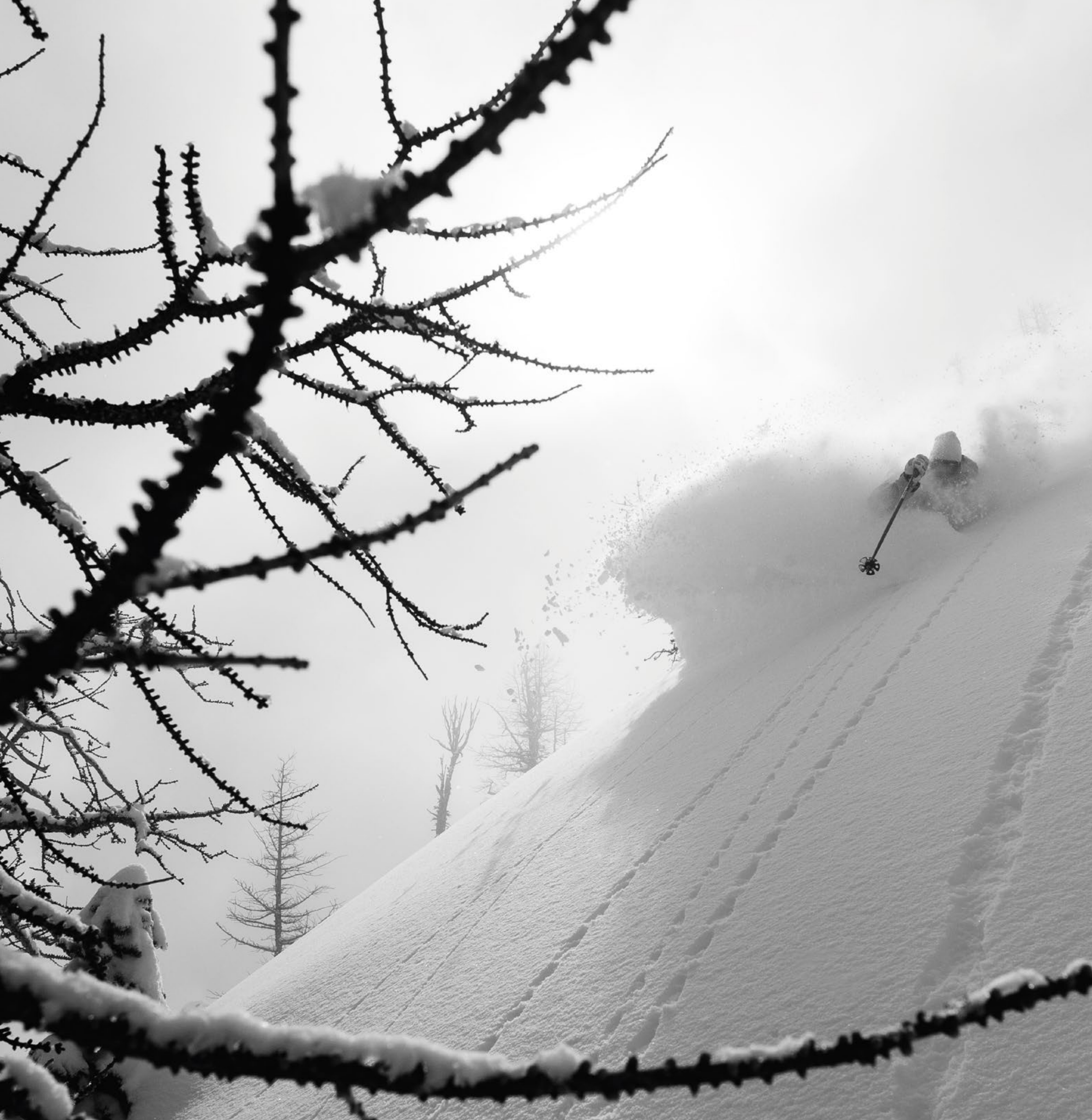
This nearly guarantees a plethora of powder days, with a palette of endless mountains for adventures. The same weather patterns that result in the Cascade's famous amounts of snow also result in its infamous temperatures. A half meter of minus 35 degrees celsius powder is not only possible, it's common. Even at 0 degrees celsius, they're still powder days, and in a normal season they're almost a daily guarantee. Faceshots are epic at any temperature. Most days, however, are best described as deep and creamy. There are very few places where a one meter snowfall is followed by - well, another one meter snowfall. One particularly good January while I was at Western Washington University in Bellingham, WA, I set a limit: If Mt.
Baker got anything less than 40 centimeters, I'd go to class. I went to class five days that month, and if I would have continued with that schedule I probably wouldn't have graduated - although it still did take me an extra four years, in large part thanks to the lure of deep snow days at Mt. Baker. Despite a long climbing and skiing history (Seattle has been home to famous alpinists such as the Whittakers and Fred Beckey), most of the range is packed with unskied lines and summits, especially the far-less accessible North Cascades. But that's changing with the constant improvement of backcountry gear and a boost in knowledge of the range's winter terrain.
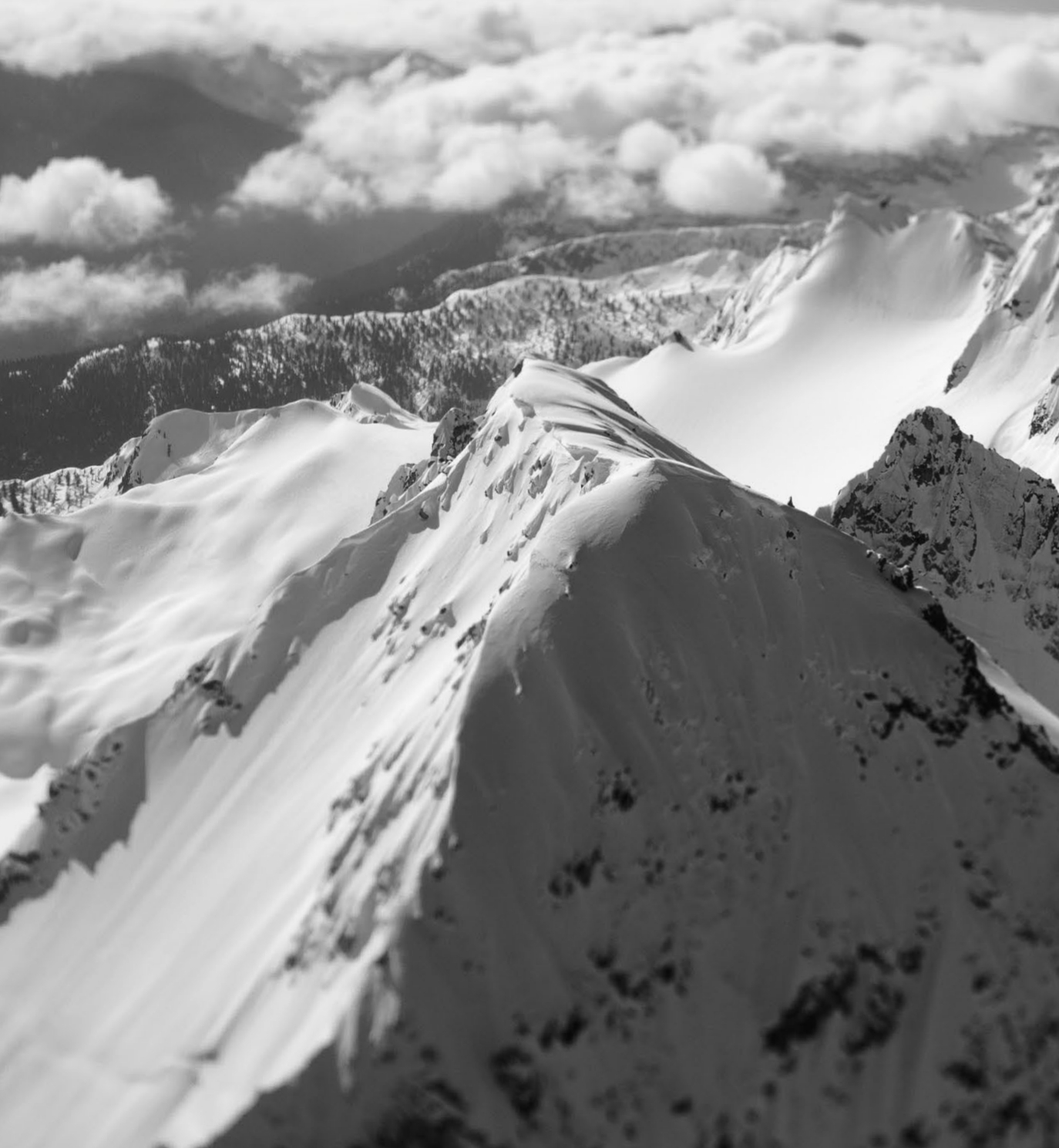
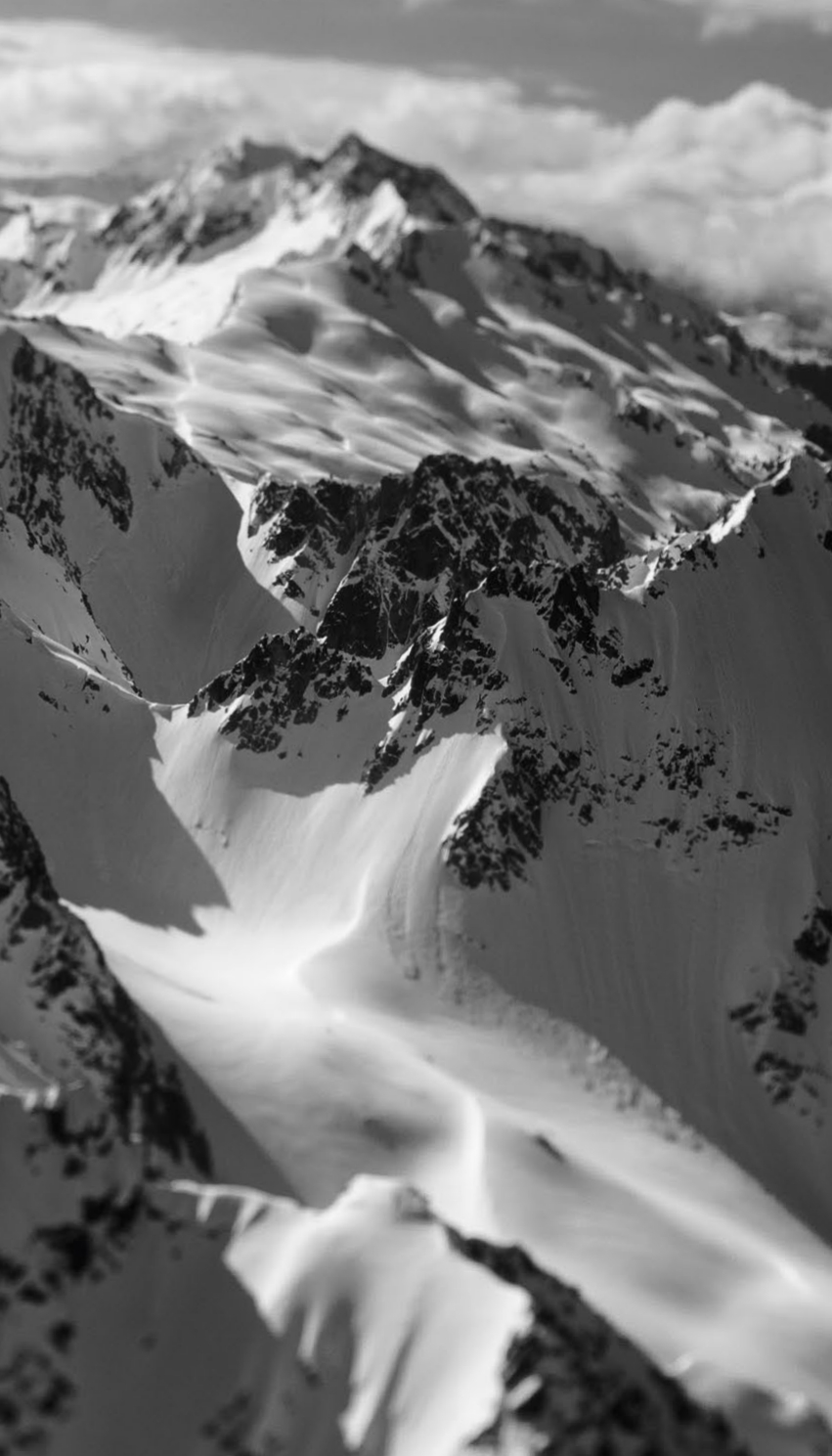
This is assisted in huge part by pilot and photographer John Scurlock, who flies over the mountains in his home-built plane and shoots stunning images - often the first photographs ever of the winter terrain. Being almost entirely on government land, most Cascade ski hills lack the cluster of condos and shops bustling around the base areas of many other resorts. Instead, some of the most impressive and easily-accessible sidecountry in North America is a short hike past the top of the lifts, falling off into empty wilderness. If there are two or three tracks down one face, there's always the next one a short tour away.
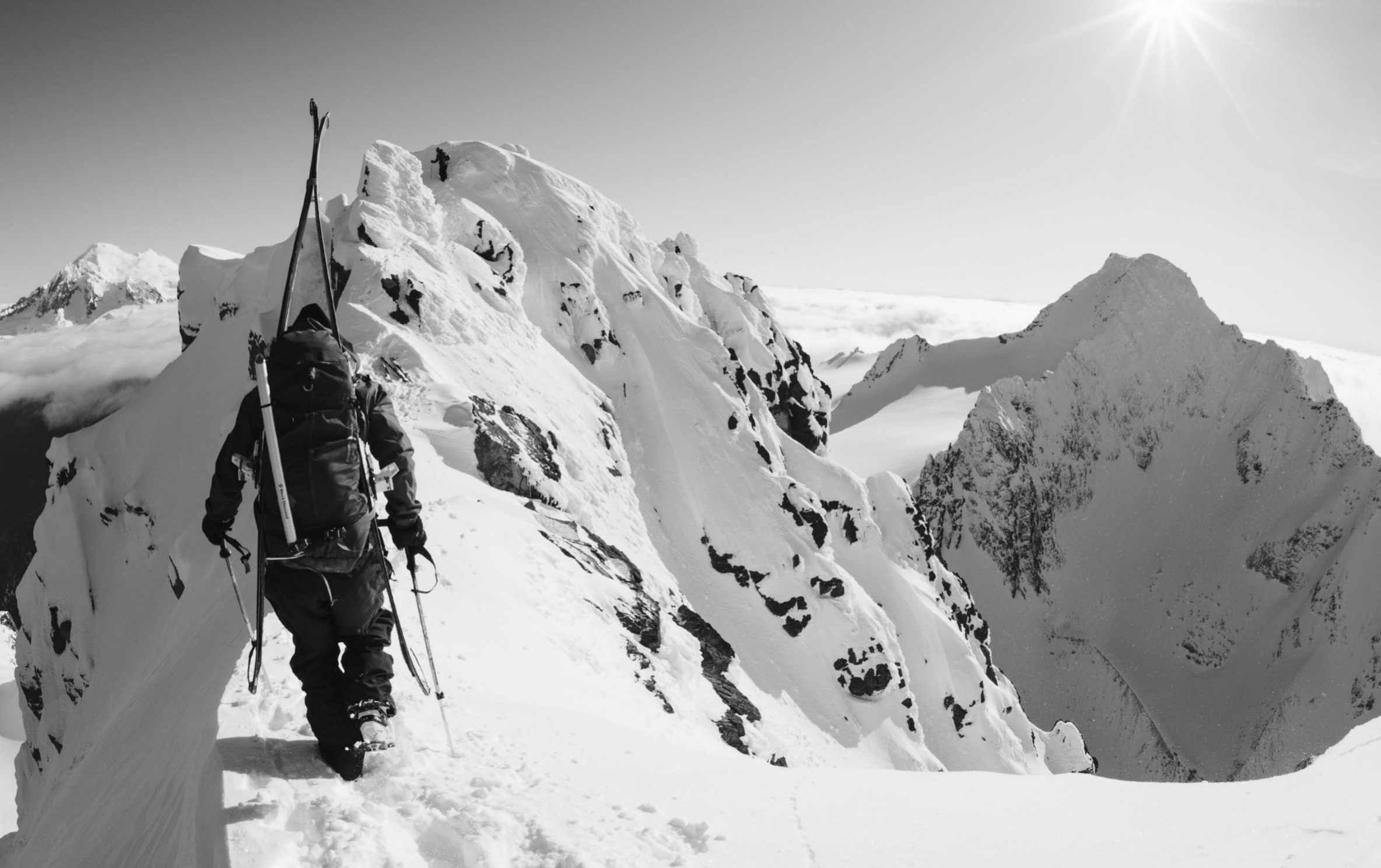
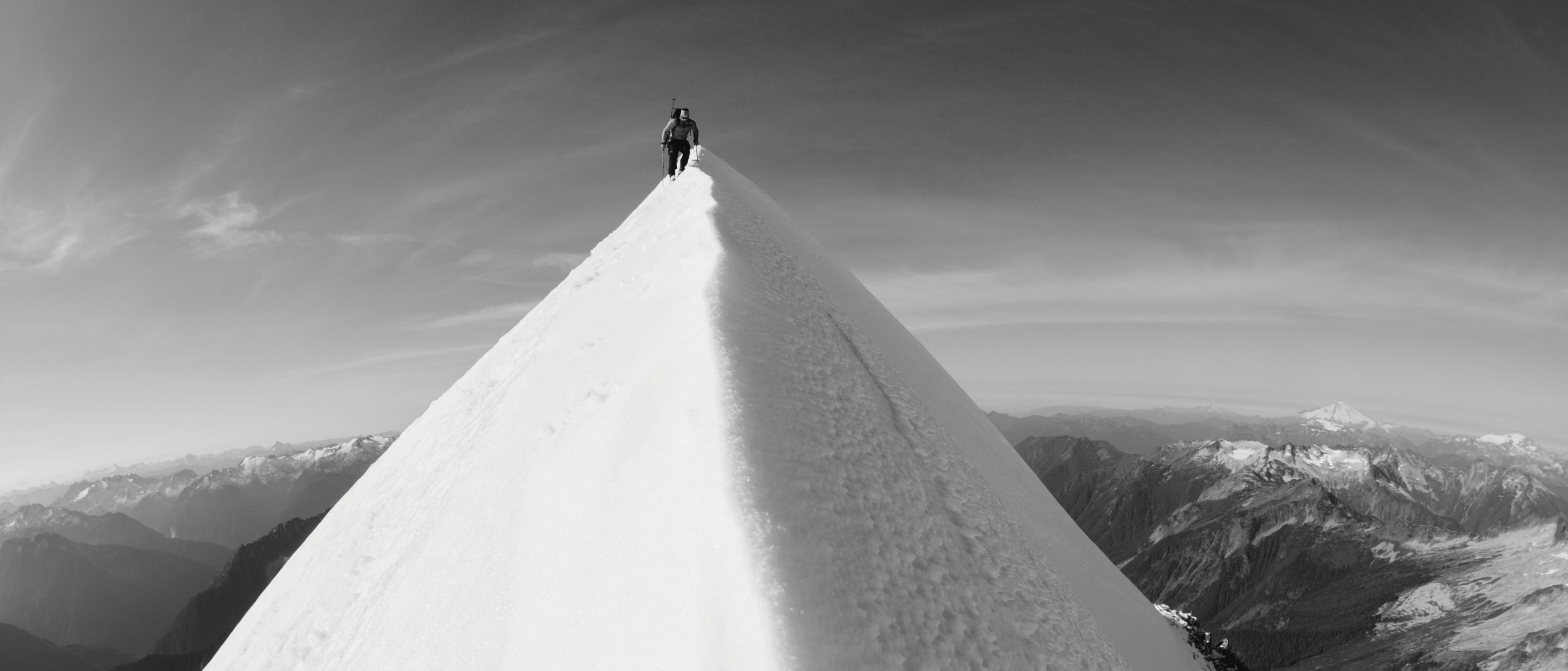
Knife blade ridges run away like spiderwebs, and the surrounding panorama of summits looks like a smaller Alaska - empty and jagged in every direction. Past the resorts, the range's long history of wildfire, mining and logging, has created some of the most interesting and unique points of backcountry access: old mining towns like Holden Village or Trinity Camp, or fire lookouts perched on craggy summits, or the network of logging roads that mean easy touring for the outdoor addicts. That's one of the great things about the Cascades - you can always go farther. Most drives to ski in the Cascades, be it heading in for a backcountry epic or heading up to the local resort, are at least 45 minutes long, the majority through silent and empty forests.
It is during these quiet trips home, warm and wet with the heater roaring, that I feel the soul of those mountains. The headlights cut through the falling winter darkness, illuminating a galaxy of falling snowflakes and the dark and ancient trees looming over the highway. 'It is time for you to leave', they seem to say, whispering in the winds of the storm. 'But come back tomorrow – we'll have a surprise waiting for you.'