USA · Olympic Mountains
Olympic Wilderness
Issue 2016 · Words: Jason Hummel · Photos: Jason Hummel · 5 min read
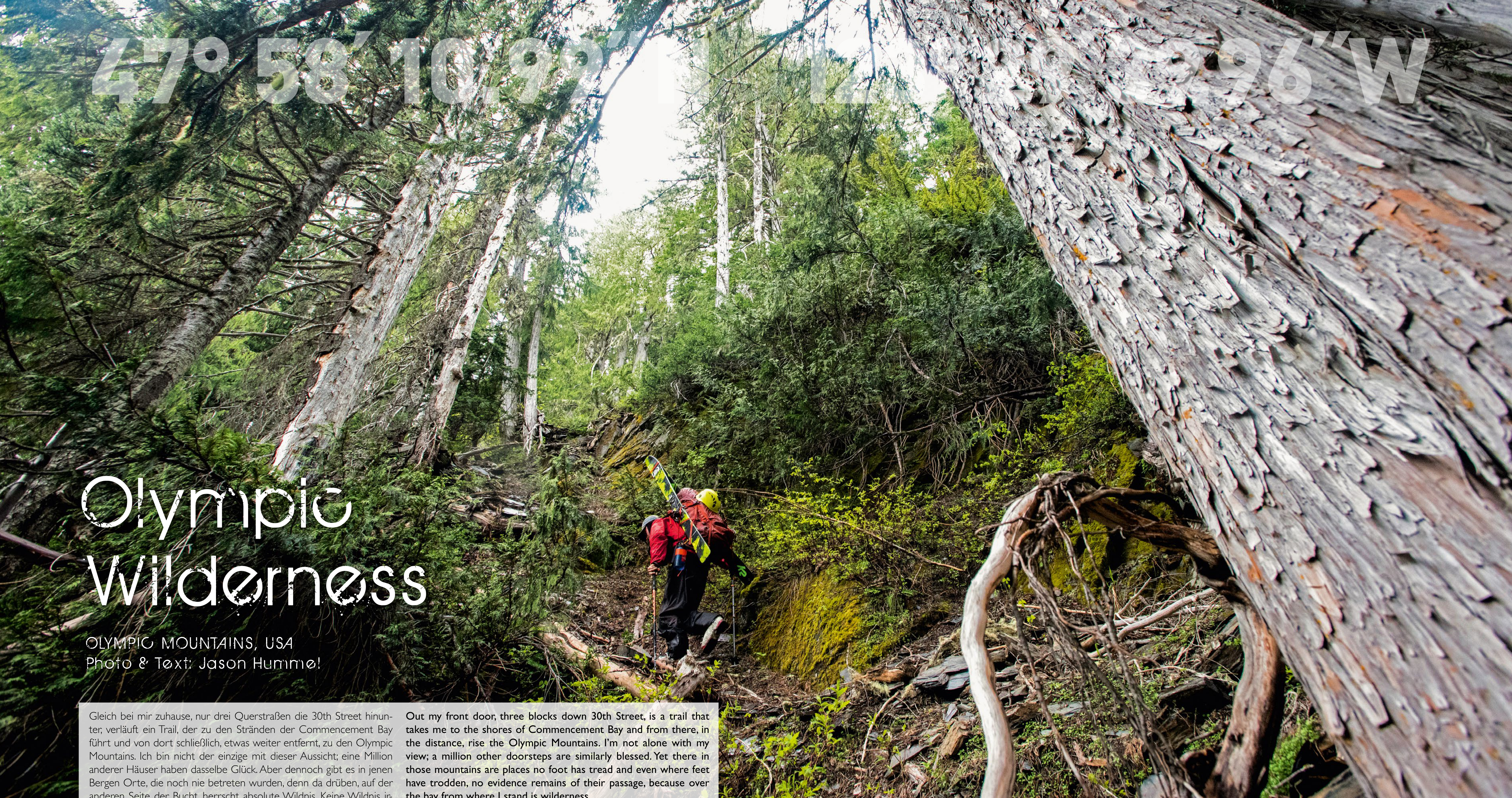
Out my front door, three blocks down 30th Street, is a trail that takes me to the shores of Commencement Bay and from there, in the distance, rise the Olympic Mountains. I'm not alone with my view; a …
Out my front door, three blocks down 30th Street, is a trail that takes me to the shores of Commencement Bay and from there, in the distance, rise the Olympic Mountains. I'm not alone with my view; a million other doorsteps are similarly blessed. Yet there in those mountains are places no foot has tread and even where feet have trodden, no evidence remains of their passage, because over the bay from where I stand is wilderness. Not wilderness halfway around the world. Not wilderness lost in some place you can't even pronounce. Instead, right there is wilderness that for the cost of a tank of gas, I can visit with my own two feet.
Not until the late 1800s were the secrets of the Olympics first unlocked, initially with the O'Neil Expedition and later with the Press Expedition. Robert Wood in his book Across the Olympic Mountains quotes a local newspaper in which the writer challenges "Some of the hardy citizens of the Sound to acquire fame by unveiling the mystery which wraps the land encircled by the snow-capped Olympic mountain range." The Press Expedition became in the winter of 1889 the first party to complete a north to south crossing, taking six months to traverse the relatively few, yet most rugged 80 kilometers they would ever explore in their lifetimes.
Six hundred kilometers of trails now crisscross what has become the 3,680 square mile Olympic National Park, established and signed into law in 1938 by President Franklin D. Roosevelt. Between those miles of trails are the high mountains, glacier cirques and ridge lines where you forge, at least in part, your own trails. This wilderness I intended to explore on skis, but to do it right, I had to have a plan. Two years ago, Justin McGregor turned me on to the idea of a north-south traverse of the Olympics over beers at the Parkway Tavern. He told me about a high route he and friends had hiked and scrambled the summer before. I'd always imagined an east-west traverse that included the mighty Mt.
Olympus, but I was struck by the possibility of a high route that left from Hurricane Ridge and ended at Lake Cushman. Almost immediately I roughly plotted my own path by merging portions of Justin's trip with the glaciers and high points I was interested in skiing come springtime. A primary goal in my route planning was to ski the named glaciers as part of my greater project of skiing all 213 named glaciers in Washington State. If it went according to plan, I'd ski glaciers 131 through 135, and in the process tick off several of the most remote ones in the state. But all wasn't to plan. When the spring of 2015 arrived, it did so on the heels of one of the worst winters in recorded history for Washington State.
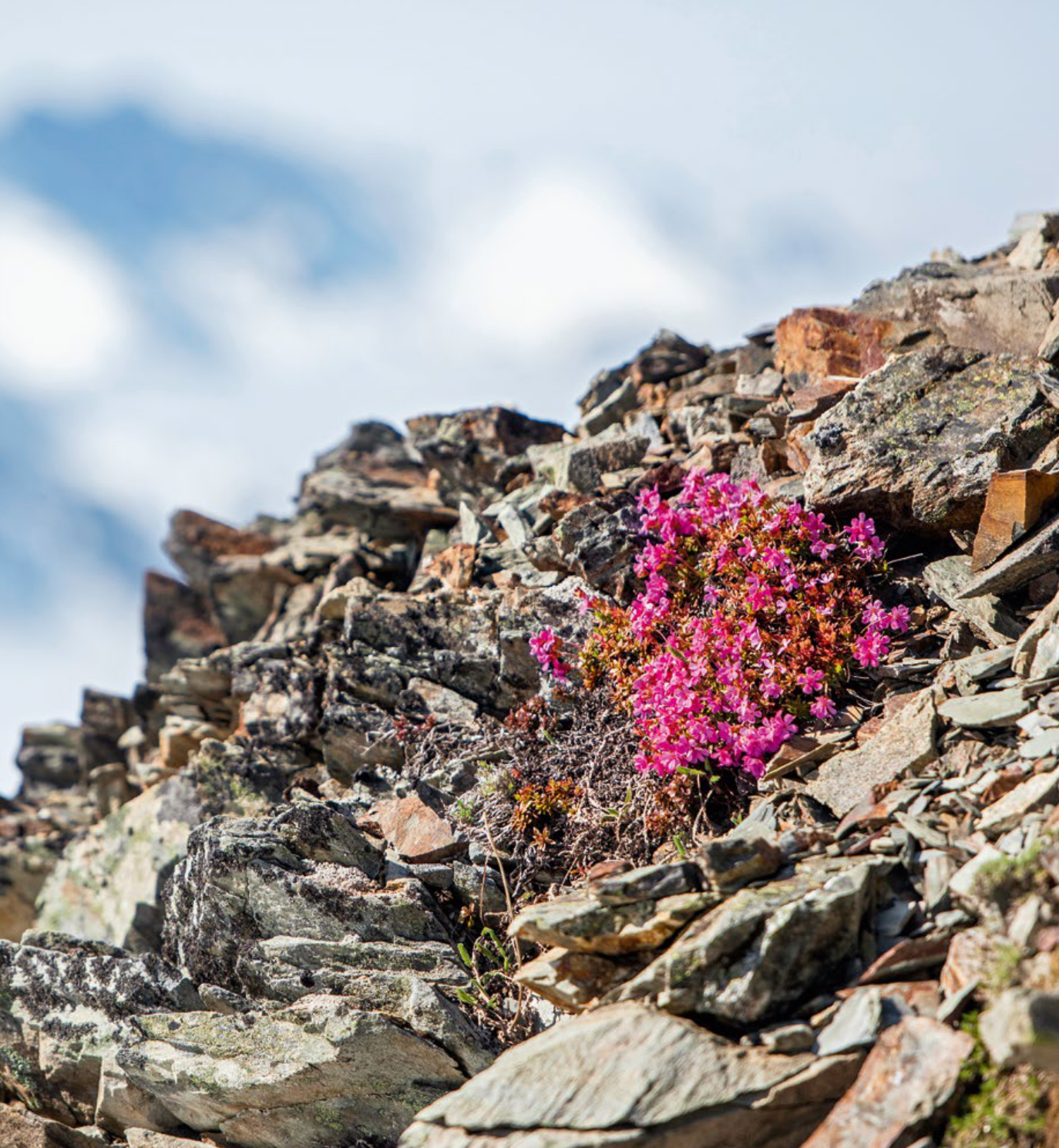
At the end of March 2015, the Olympic snowpack teetered at 7% of normal! A year passed and in March of 2016, I happened to read an article that stated that the Olympic snowpack was at a healthy 122 percent. Conditions were ideal, but then April struck a match to the snowpack, burning its way into the record books. In nearby Seattle, April was the warmest it had been in 122 years of record keeping. Snowpack was melting by the foot, and soon flowers would be rising from newly exposed dirt. Before that happened, Tim Black and I set off to transform lines on a map into memories of a lifetime. On the outset of this trip, I carried more baggage on my mind than usual.
I sawed back and forth over the years of my life, trying to justify where I was and how I got there. The "So what if I don't have a home outside an RV for much of the year." Or, "So what if I left a promising career as a financial advisor eight years ago to seek a life in the outdoors and photography." Would I change any of it? Probably not. Would I go back? I can't imagine doing so. But there's a price I've begun to realize. Giving up "stability" and "home" isn't as easy as I'd thought and I fear I'll never get the chance to have either and if I do I'll never stop long enough to hold onto them. Maybe what I've wanted is what hometown America bred into me?
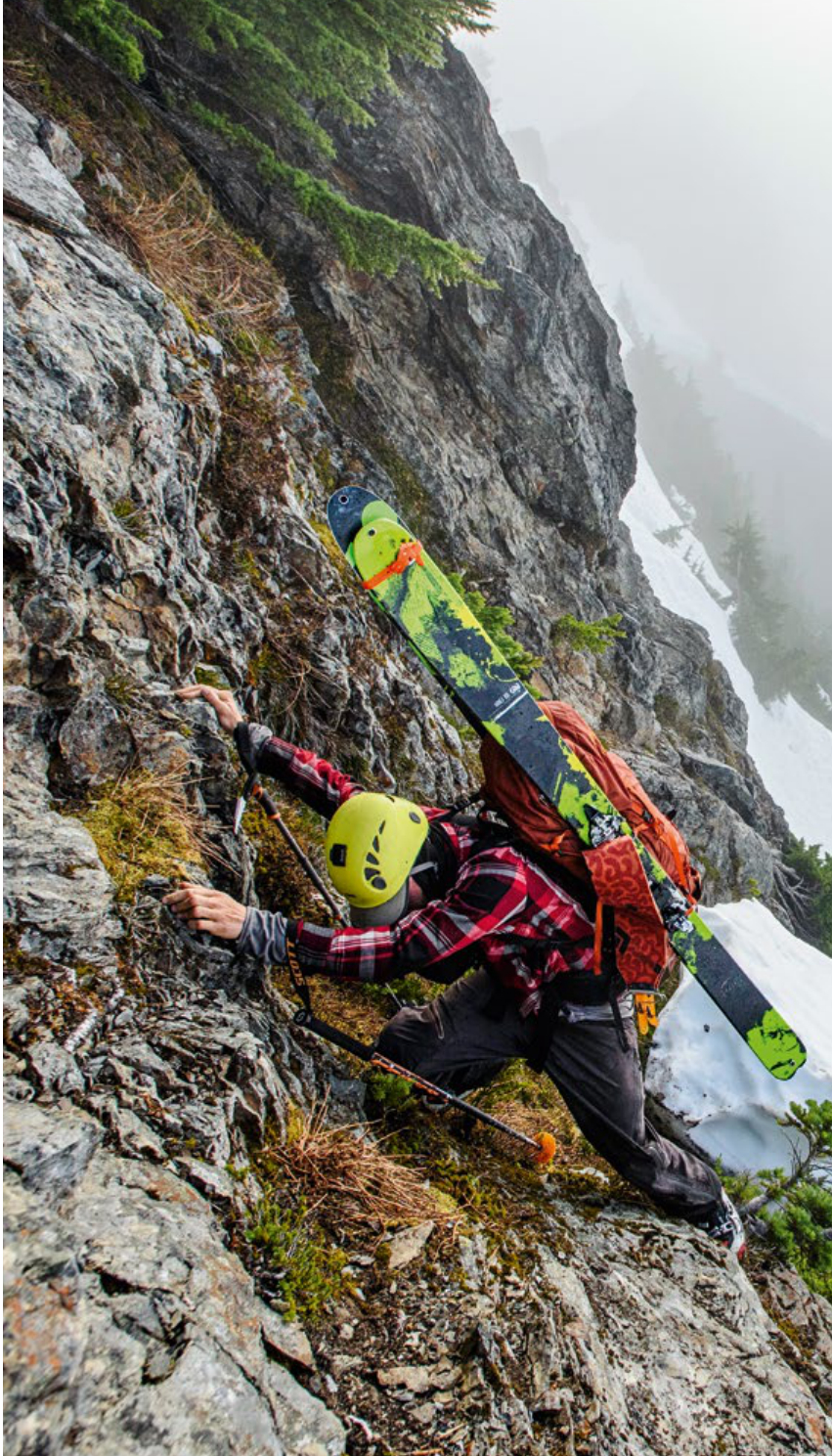
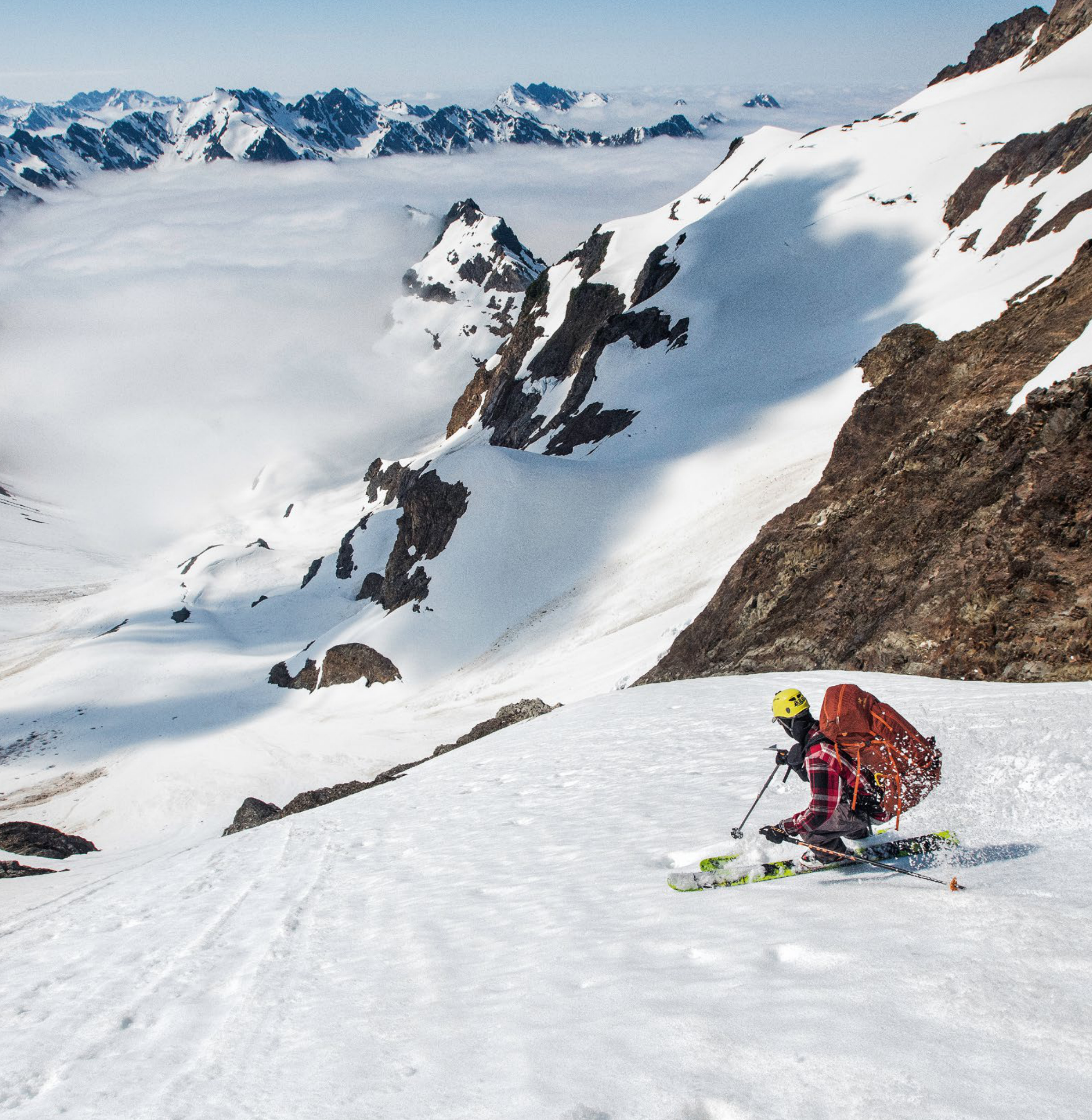
In any case, the mountains have a means of washing worries of the past and future away like avalanches do forests. You suffer, fear and struggle hard enough, and all that's fueling you is the moment, primed with a steely-eyed determination to achieve. When that engine of life pulls you away from everything, you know what matters most, and that's "giving it" every day you have. I gave it when I raised my pack from the Hurricane Ridge parking lot, all 10-12 days of food; four lenses, camera, batteries, and tripod; skis, boots and poles; rope, harness and more. The backpack straps were so strained that everything threatened to tear loose and spill to the ground. "What the hell am I doing," I bemoaned. "I'm given 'er," that's what.
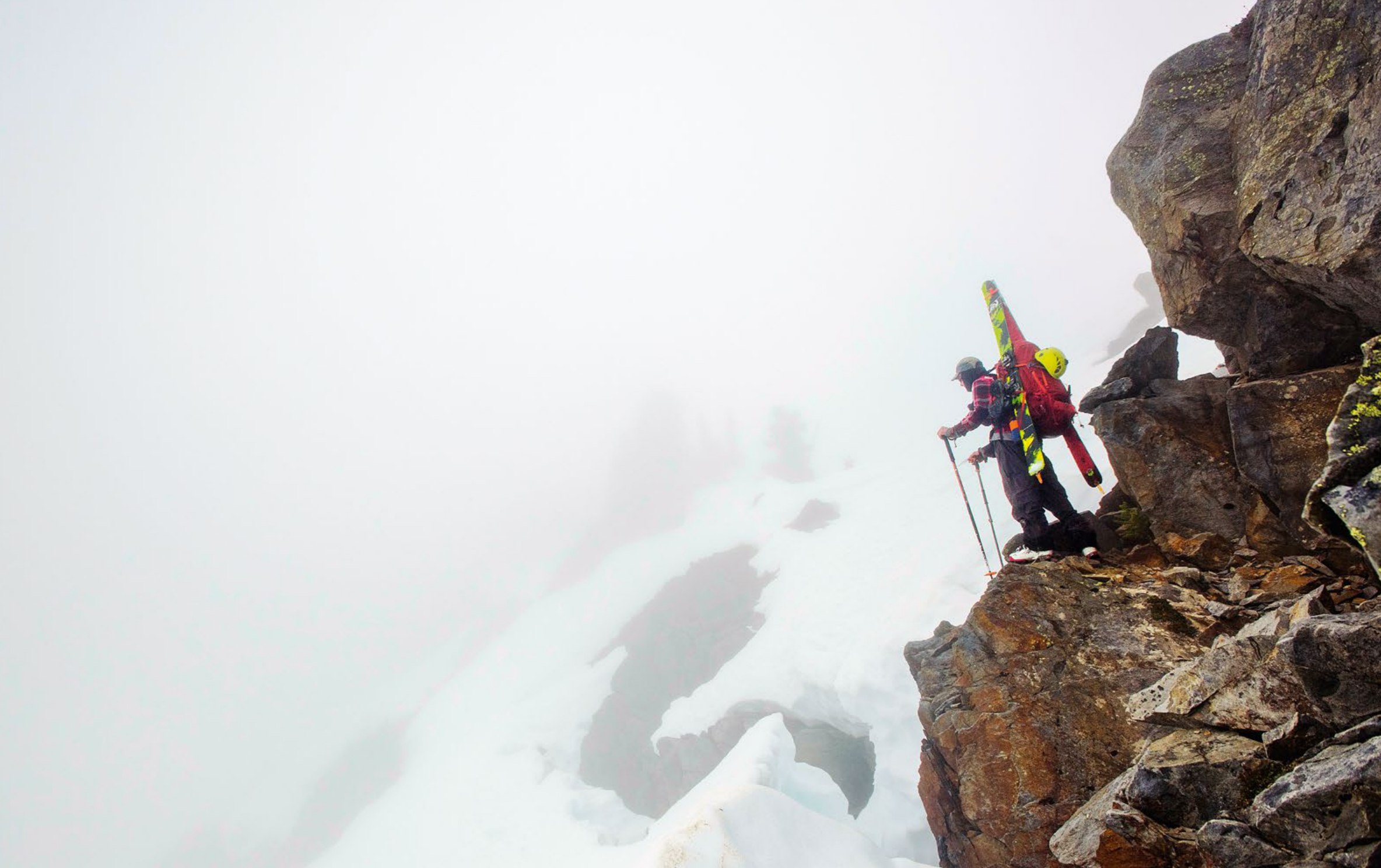
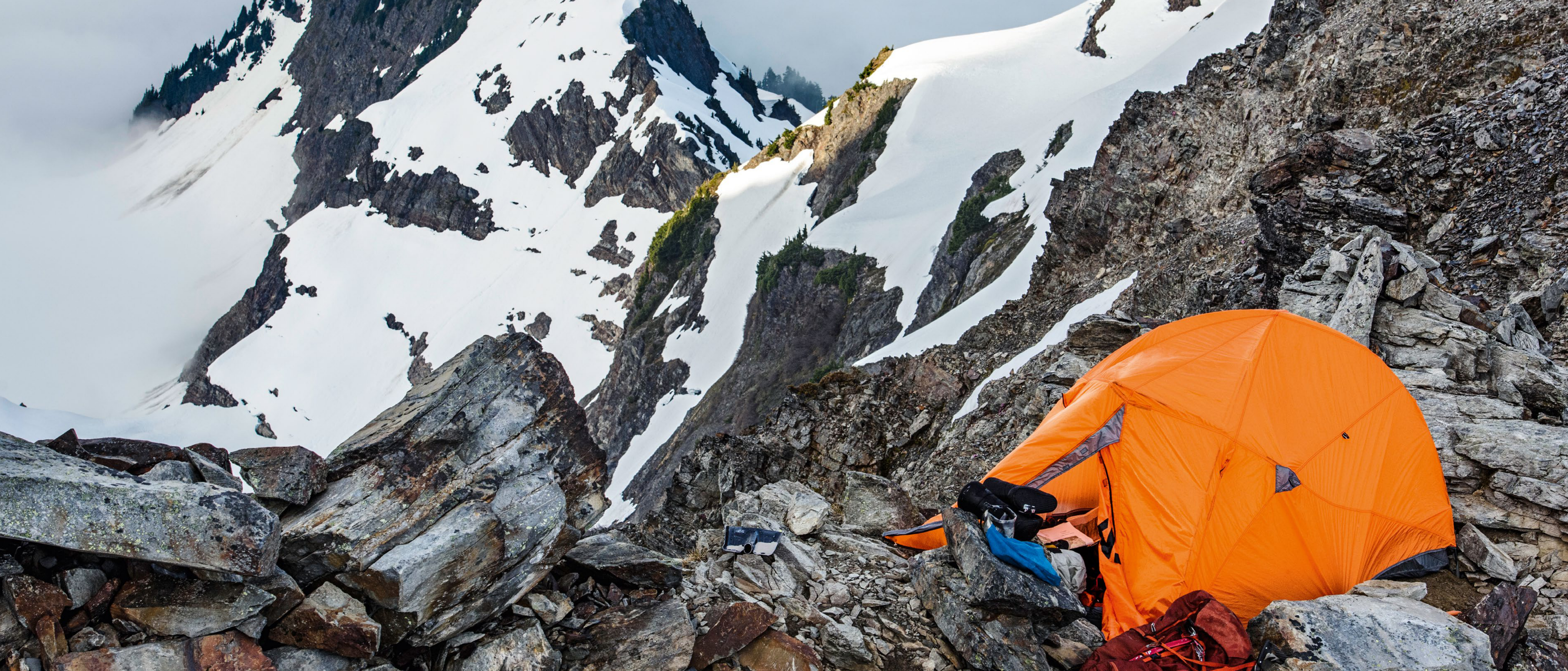
We gave 'er for the next nine days, climbing and descending over 9,000 vertical meters across 100 kilometers. We tackled bad weather, fjorded more than a hundred creeks, reached the summit of half a dozen high points and beheld country that left an indelible mark on both of us, cementing this trip as one of the best we've had. Robert Wood ended his book, Across the Olympic Mountains with, "Though the Olympic Mountains are no longer unknown, one can still capture some of the spirit of mystery with which the region was long associated. Today's explorer has merely to depart from the well-traveled trails and pack into the backcountry, there to tramp through forest aisles or wander along fog-shrouded ridges."
When I returned to Tacoma and home, I walked two blocks down 30th Street. This time, when I saw the Olympic Mountains rise from the blue waters of the Puget Sound, I looked at them knowingly. That wilderness, no matter my visiting it, was still wilderness. It remained unchanged by those that came before us and would remain unchanged by those to come.