USA · Sierra Nevada (Tahoe)
The Evolution of Daron Rahlves
Issue 2021 · Words: Megan Michelson · Photos: Ming Poon · 6 min read
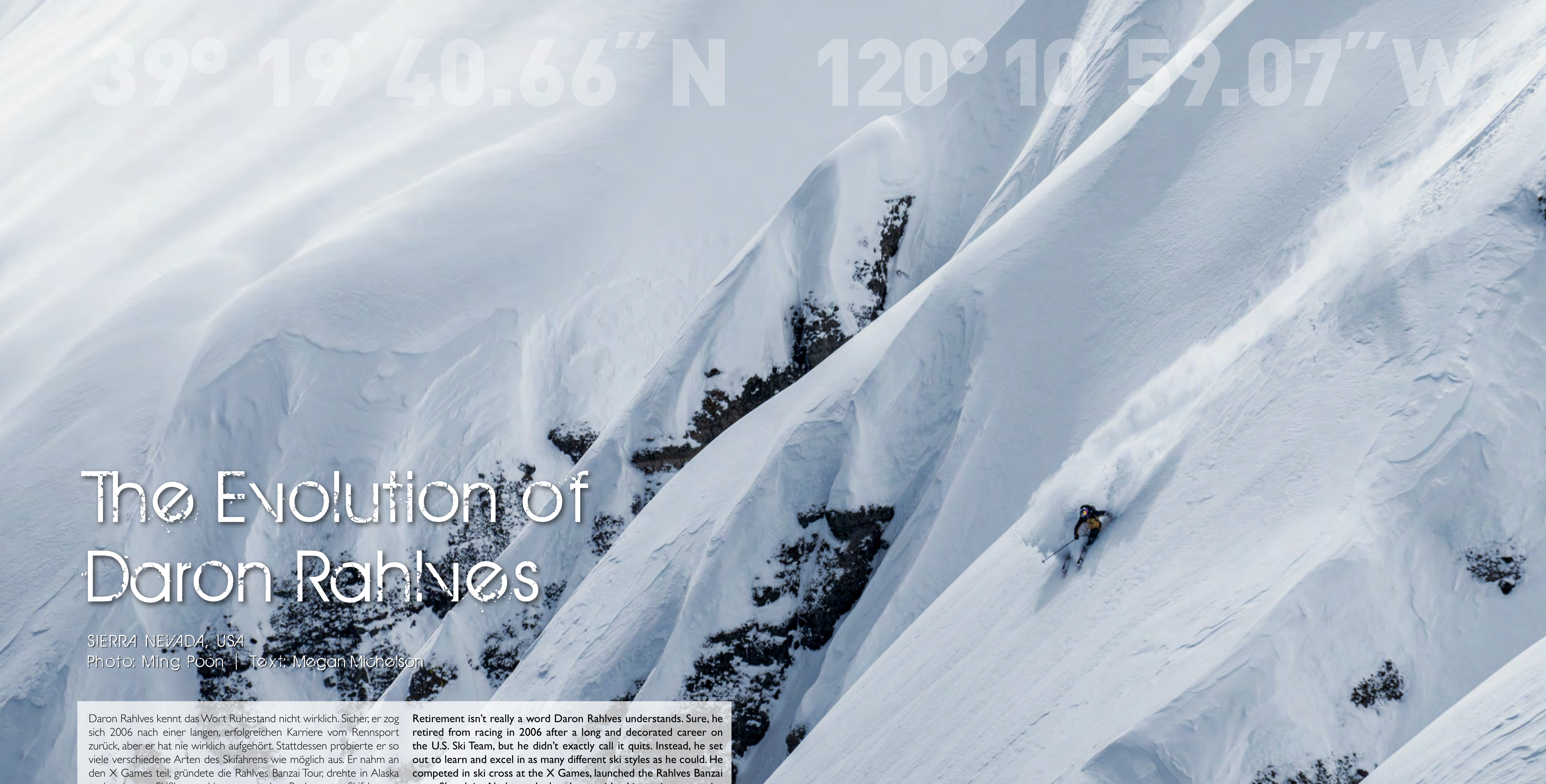
Retirement isn't really a word Daron Rahlves understands. Sure, he retired from racing in 2006 after a long and decorated career on the U.S. Ski Team, but he didn't exactly call it quits. Instead, he …
Retirement isn't really a word Daron Rahlves understands. Sure, he retired from racing in 2006 after a long and decorated career on the U.S. Ski Team, but he didn't exactly call it quits. Instead, he set out to learn and excel in as many different ski styles as he could. He competed in ski cross at the X Games, launched the Rahlves Banzai tour, filmed in Alaska and elsewhere with ski movie companies like TGR, Warren Miller or Matchstick Productions, and got into backcountry skiing. He now even serves as a volunteer search and rescue responder for wilderness emergencies around his hometown of Truckee, California. "What's kept me in the sport for so long is the passion I have for learning new things on skis," he says.
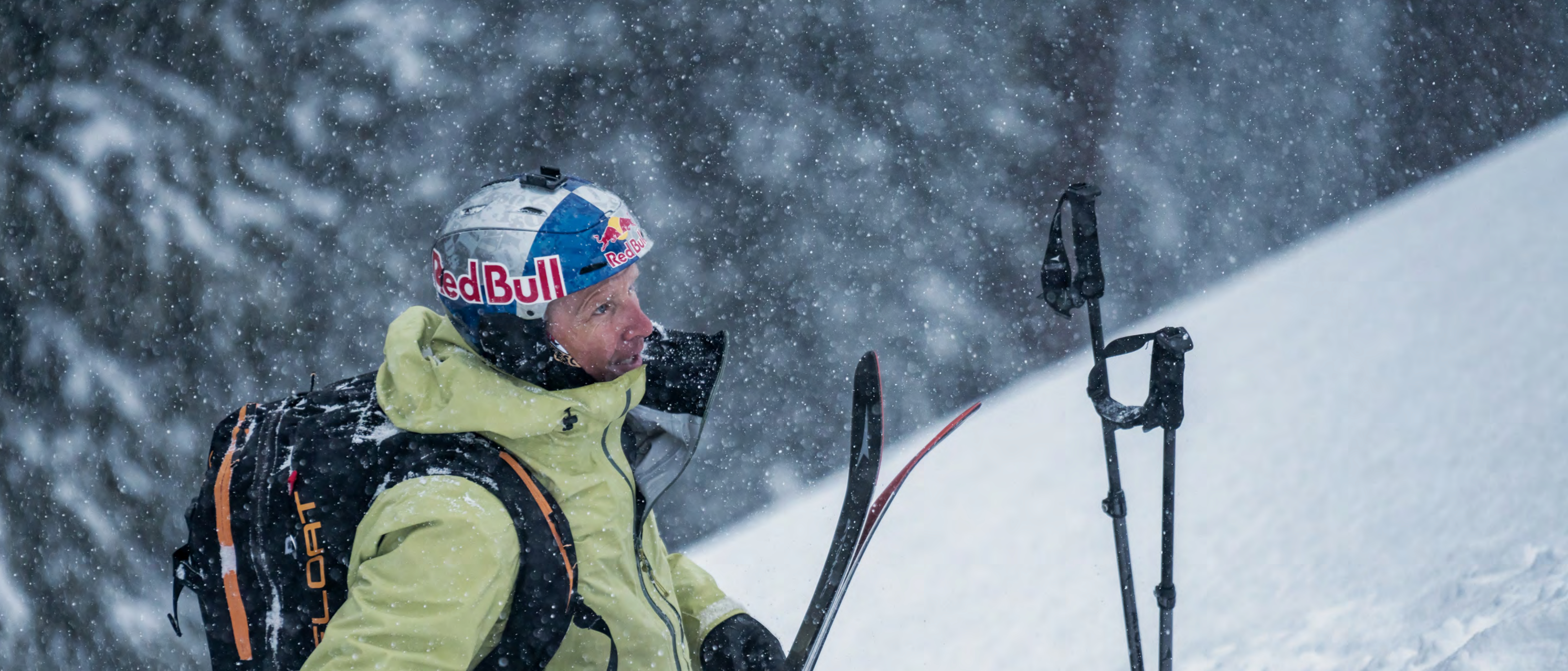
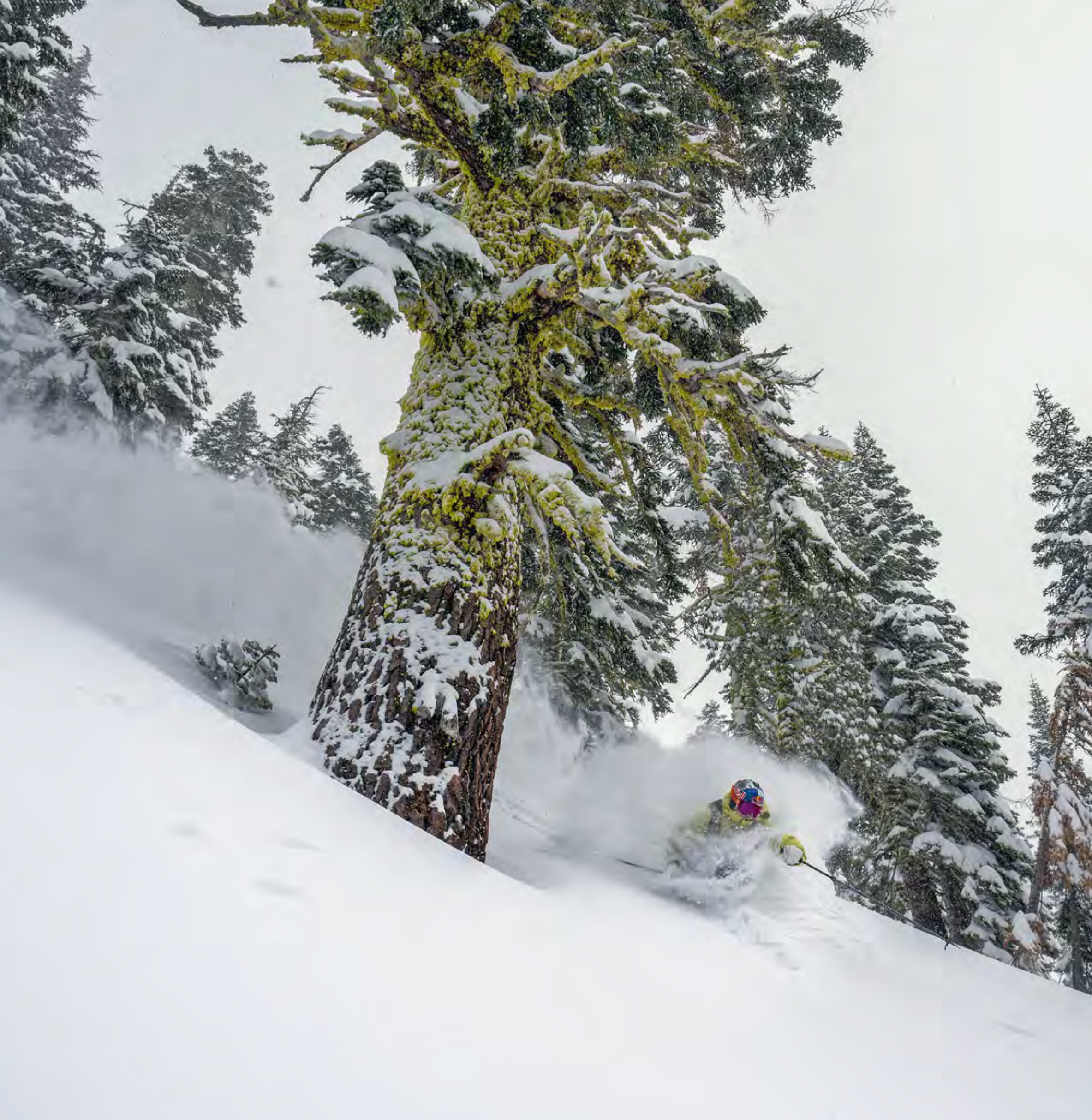
"In skiing, the disciplines are many. There's still so much for me to learn." It's February in Tahoe, and a massive storm just walloped the Sierra Nevada range, dropping 50 centimeters overnight. Around 4 p.m., Daron Rahlves is getting home from a powder day at Homewood ski area when he gets a notification on his phone that a snowboarder has gone missing off the backside of Sugar Bowl ski area, his home resort and a place he knows better than anyone. As a volunteer with Tahoe Nordic Search and Rescue, it's Rahlves' job to help coordinate and participate in a search for people who go missing or get injured in the backcountry.
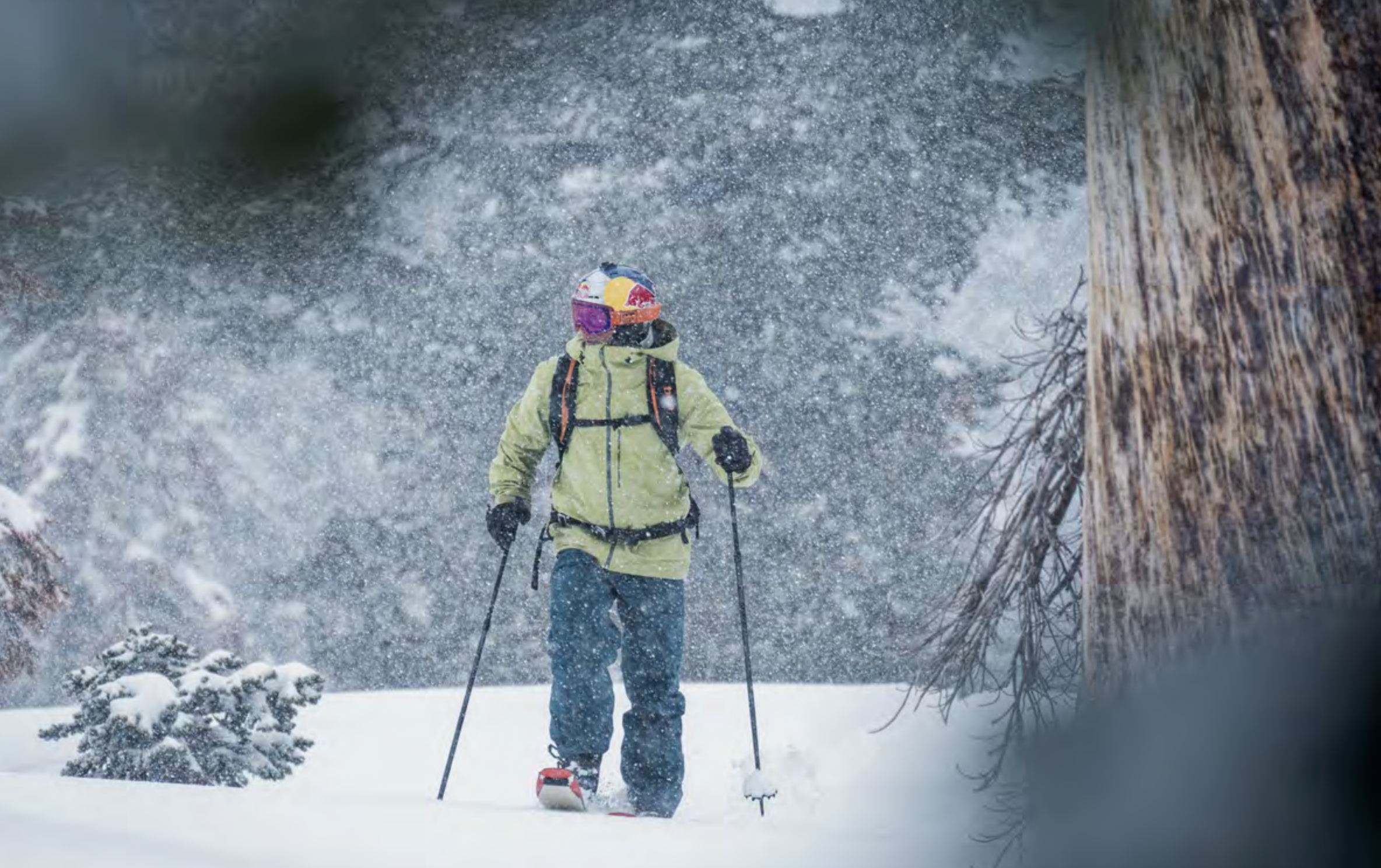
So that night, amidst a mounting blizzard, he and other volunteers, including a snowcat with additional crew members, set off into the darkness, breaking trail in thigh-deep snow. "I was like, 'Let me break trail, let me go, let me be the workhorse," Rahlves recalls. "I knew time was of the essence, and someone needed our help." By midnight, the missing rider was located – scared and cold but very much alive. For Rahlves, helping others in the backcountry is just another step in his lifelong progression on skis. It's a way to give back to the community he loves, but it's also a way to keep himself engaged and challenged. Rahlves got his start as a kid, growing up ski racing in Tahoe. But he was never one to miss a powder day.
"I was definitely focused on ski racing, but any chance I had, I would go out freeskiing," he says. By his teenage years, he enrolled in a ski academy in Vermont. By 19, he joined the U.S. Ski Team, joining an elite rank of promising young racers bound for Olympic glory. "In ski racing, it's all about the clock," he says. "You're trying to work with the mountain to go as fast as possible and see who can be the fastest one down. That was always my goal." Speed carried him through many successes on the team. He remains one of the most accomplished American downhill racers of all time.
Rahlves stood on 28 World Cup podiums in downhill, super-G and giant slalom, including 12 World Cup wins, and earned a super-G gold medal at the 2001 World Championships, plus two medals at the 2005 World Championships. He raced in four Olympic Winter Games. In 2003, he won the infamous Hahnenkamm Downhill, often called the most dangerous race in ski racing, becoming the first American to win that event since 1959. He was at the peak of his career when he decided to step away. "It's always tough to go. I wasn't stepping away from ski racing burned out or skiing slow. I came off a strong season," he says. "People said I was crazy for quitting then. But I wanted to try something different.
One of those things was to start a family, and I didn't want to be on the road so much with a family at home." So, he retired from ski racing in 2006, but Rahlves couldn't stay away from competition for long. He returned to the U.S. team to compete in ski cross, eventually winning X Games gold in in 2008. "People told me I was going to ruin my reputation and get my butt whipped on the ski cross track. I said, 'I don't care. It looks fun. I want to try it," Rahlves says. "I crashed in every final that first year, but I loved it." By the following year, he started to win some races.
Soon, he began traveling to Alaska and Canada to film with major ski companies like Matchstick Productions, Teton Gravity Research, Rage Films, Warren Miller and Sweetgrass Productions, winning Best Line at the Powder Awards for his segment in MSP's 2010 "In Deep." "I learned a lot from working with those film crews, but I got to the point where it was too much risk," Rahlves says. By that time, he and his wife had twins – their son, Dreyson, and daughter, Miley, were born in 2007. "When my kids were little, I was like, what am I doing? Why am I taking all this risk?" He spent as much time at home in Truckee as he could, and it was there that he launched his own event, the Rahlves Banzai, which combined all the ski disciplines he loved most.
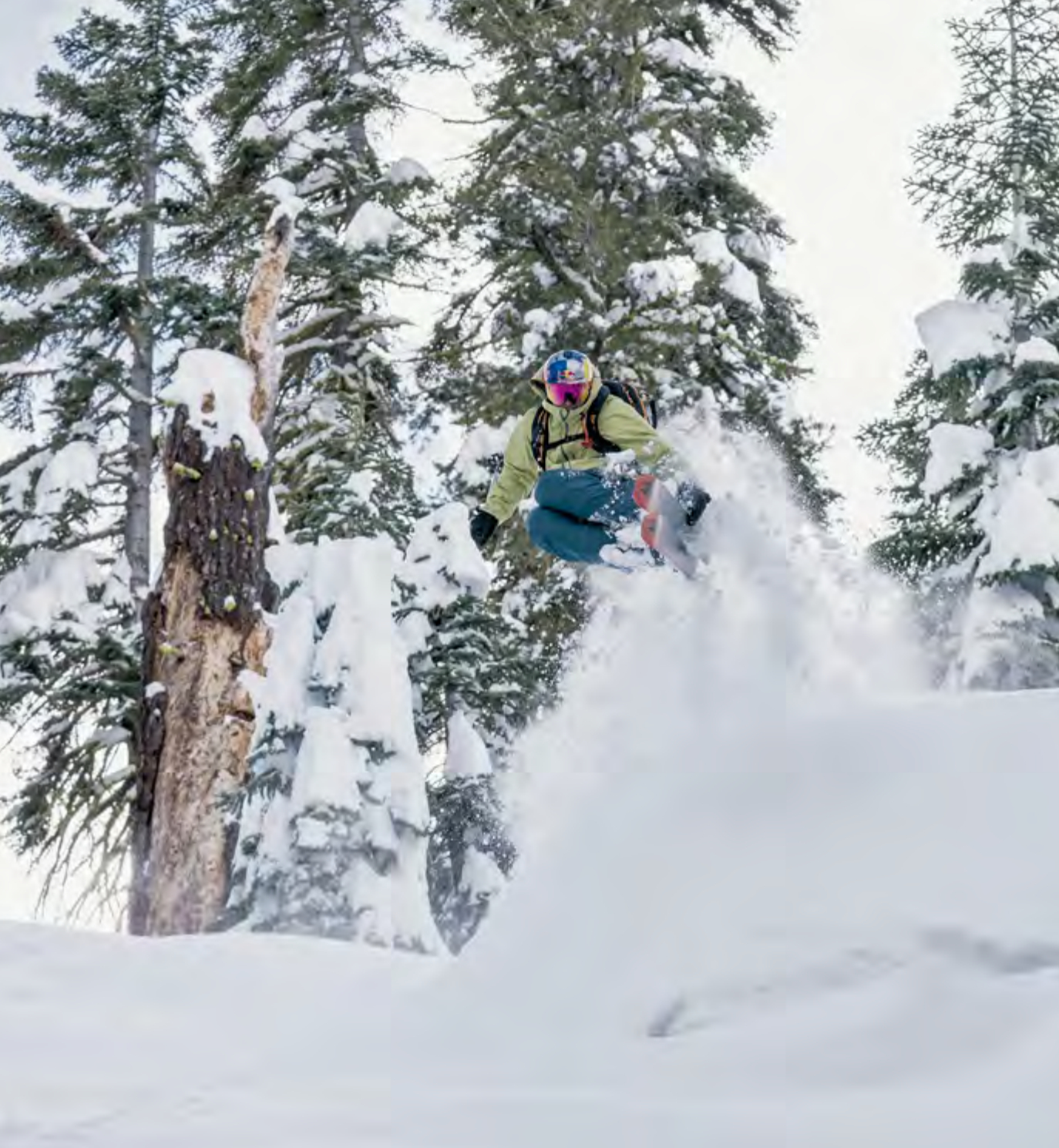
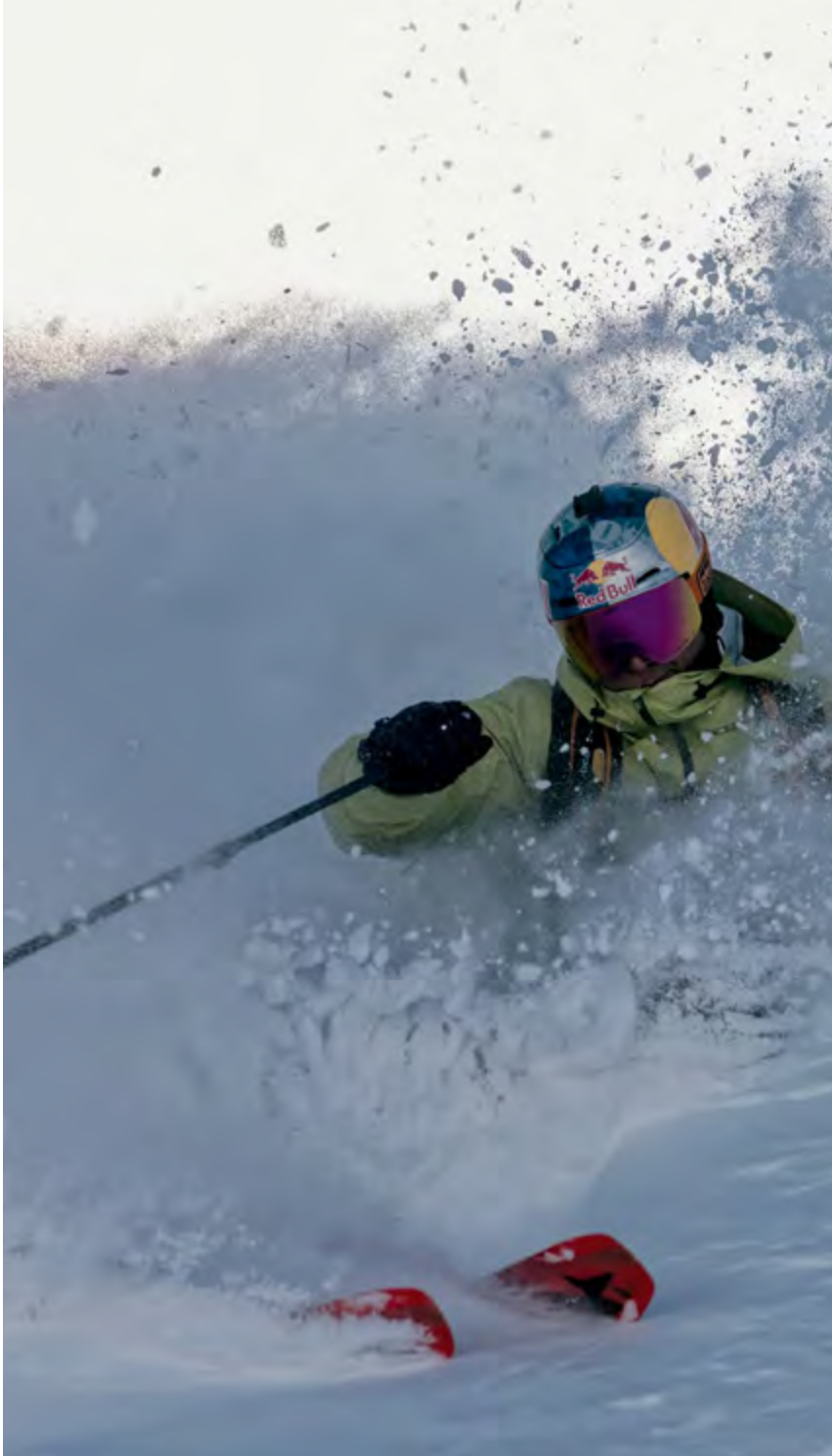
Picture ski race meets big-mountain contest meets ski cross. He also started exploring the backcountry right out his door, discovering new areas and evolving his skiing style into a whole new discipline. "These days, I like to balance it out and earn my days on the mountain," he says. "I go for fewer runs, but higher quality runs and to places that are really unique; places where not many people are around." He still looks at the terrain like the ski racer and big-mountain film star he once was. "I still have a lot of fun trying to find something creative to do with the terrain," Rahlves says. "I think, how can I utilize the mountain as much as possible with good flow and find a unique and creative way down?"
His kids, now age 13, are getting into the backcountry, too. Last winter, he and his kids and their dog, a husky named Zoe, skinned up Donner Pass for a few turns. "You see people doing the same stuff all the time, but there's so much to do out there. That's what keeps me involved," Rahlves says. "I love passing that on to my kids and other people I'm skiing with. I want them to love skiing for all the variety and aspects it has. This goes back to why I still have so much fun skiing after all these years. I love to explore and look at it from all these different angles."