
Source: Superneo
Well prepared for the new ski and snowboard season
The winter checklist from Mips
Key facts at a glance
- Helmets should suit the winter sports discipline, riding style and individual needs, and be certified accordingly.
- The Mips® Safety System was developed to reduce rotational motion transmitted to the head in certain angled impacts.
- Different Mips integrations can affect weight, fit and ventilation depending on the model.
- A secure, comfortable fit is essential; children's helmet fit should be checked before every season.
- Check helmets regularly for damage and replace them after a fall or heavy impact; follow the manufacturer's guidance on service life.
The days are getting shorter, the first peaks are turning white, and anticipation for the new winter sports season is growing. Whether you are an experienced freerider, a keen ski tourer or a child taking to skis for the first time, a successful day in the mountains depends not only on the right technique but also on suitable equipment. Alongside serviced skis and weatherproof clothing, the helmet plays a particularly important role. Swedish helmet safety company Mips is using the start of the season to explain what matters when choosing your helmet and what role rotational motion plays.
Good preparation starts when buying a helmet. Not every helmet is equally suitable for every discipline and every requirement. In addition to fit, comfort and ventilation, it is worth looking at the technologies built into the helmet. The Mips winter checklist shows winter sports enthusiasts and families what to consider when making their choice.
Winter checklist for your helmet
1. The right discipline
Not all winter sports are the same. Just as priorities on groomed pistes differ from those when freeriding, skiing deep powder or heading out on extended ski tours, helmet requirements also vary. Some models are designed primarily for low weight and good ventilation, while others offer additional features for changing weather conditions or a high level of comfort. What matters is that the helmet suits the discipline, your individual riding style and your personal needs.
2. Tested standards and rotational motion
First and foremost, a helmet should meet the requirements applicable to the winter sport in question and be certified accordingly.
It is also worth considering additional helmet technologies or features. In a fall, for example, the head often hits the ground at an angle rather than perpendicularly. This can cause rotational motion that may transmit forces to the brain, which is particularly sensitive to them.
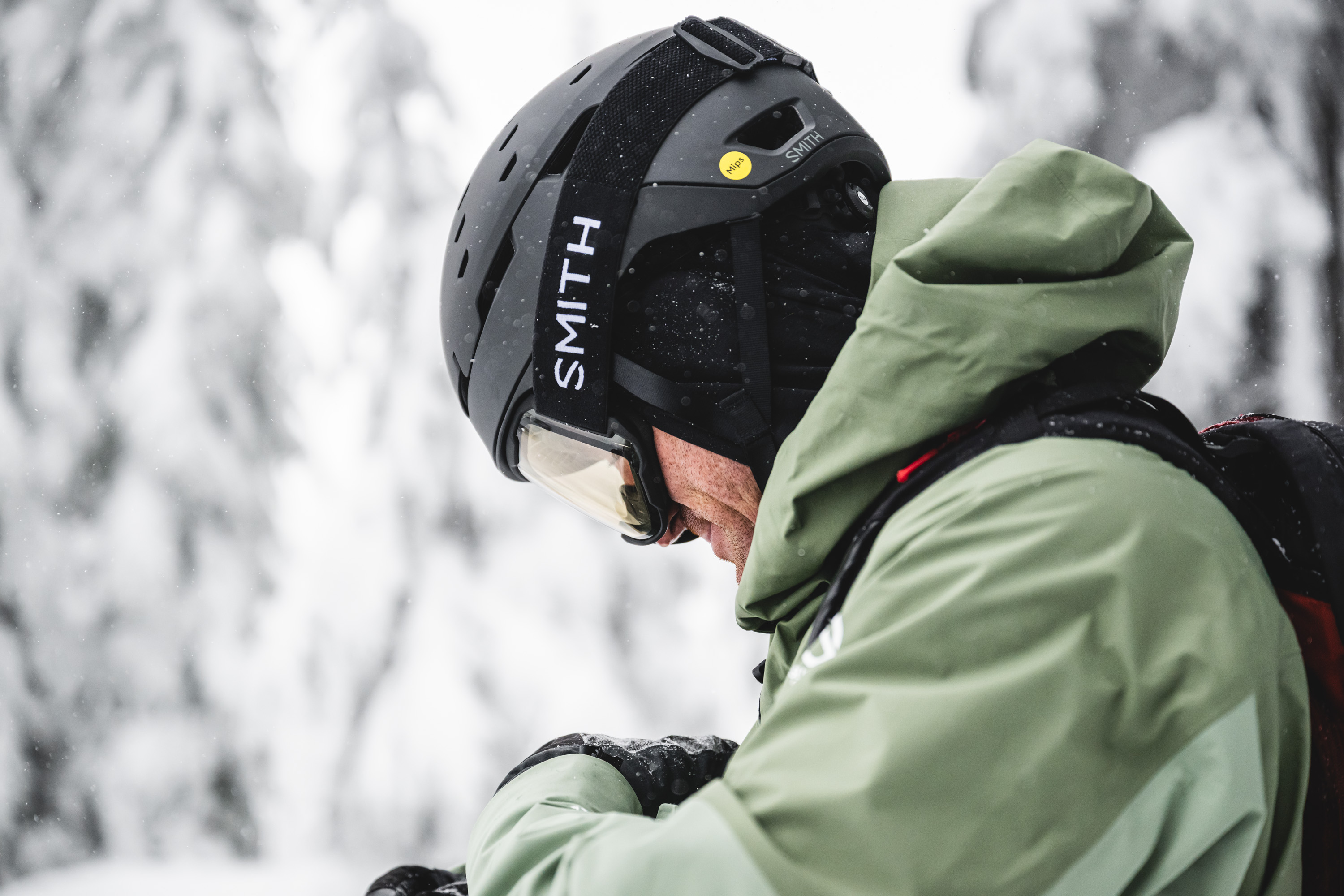
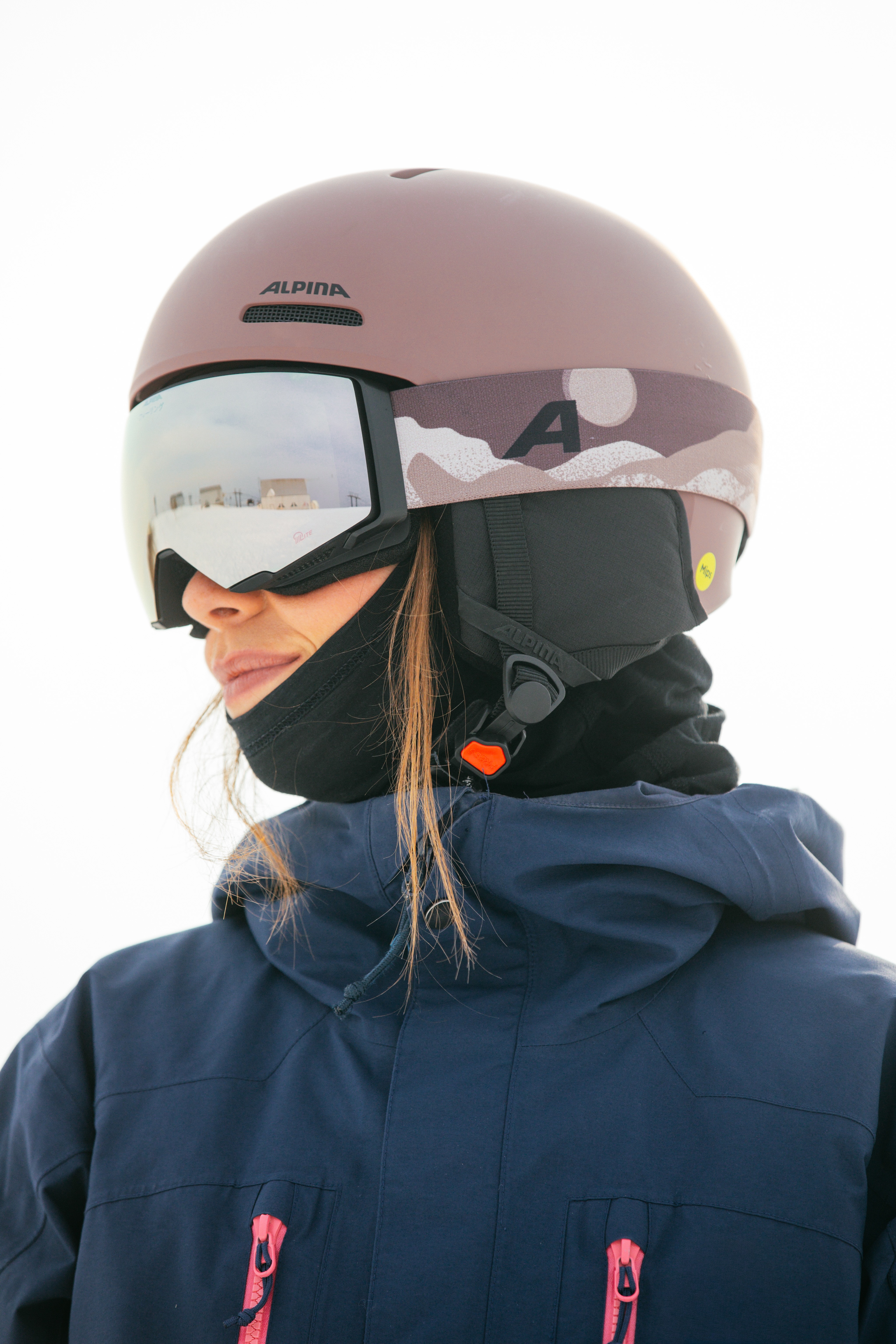
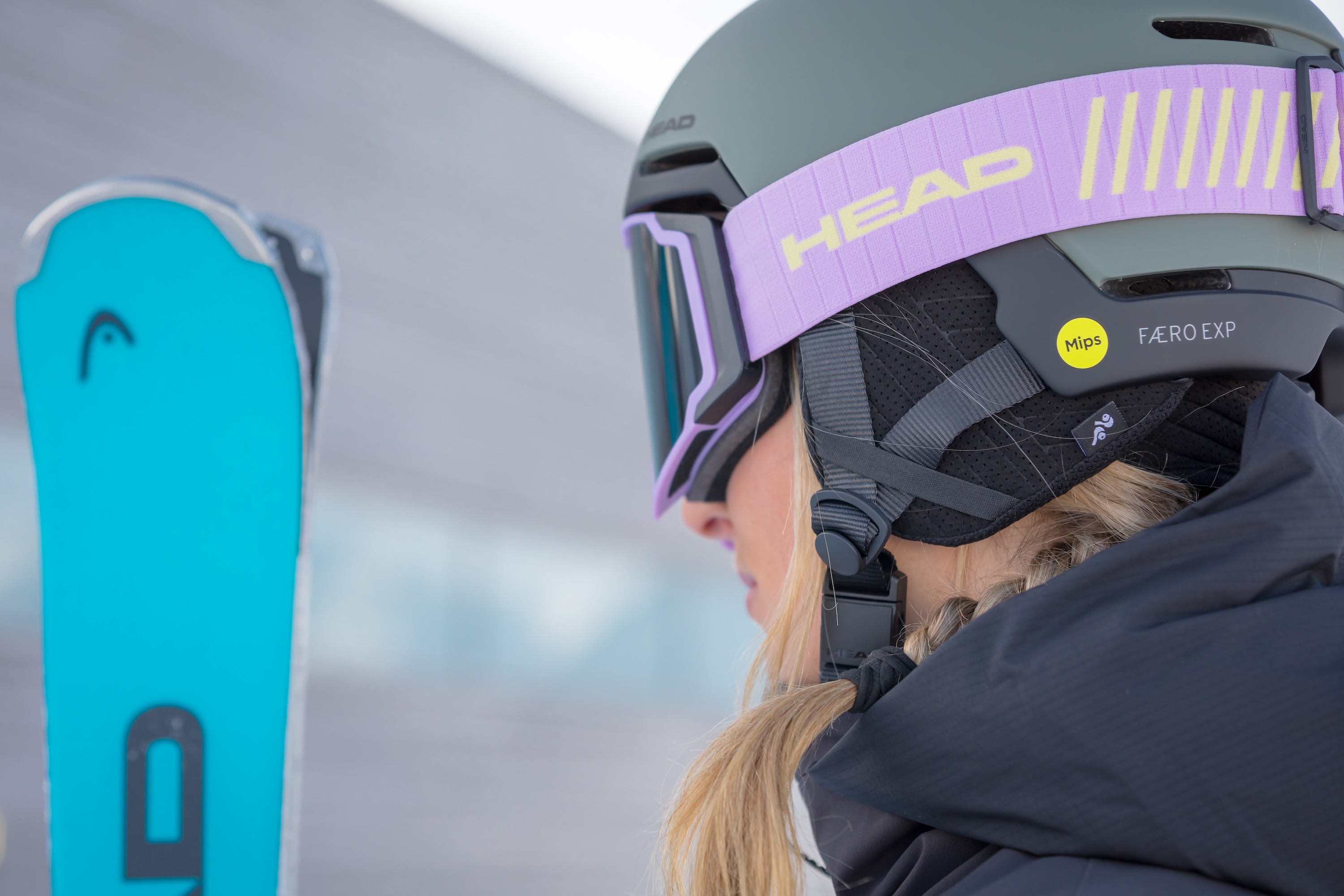
This is where the Mips® Safety System comes in. It is based on many years of scientific research findings and data and was developed with the aim of reducing rotational motion transmitted to the head in certain angled impacts, such as during a fall. The system is integrated into selected ski and snowboard helmets from well-known brands including Smith, Uvex, Alpina and many others. Helmets featuring the Mips® system can be identified by the yellow stickers on the outside, which indicate the integrated technology.
3. The different Mips integrations
Different Mips® system integrations are used to meet a wide range of athletes' requirements and riding styles. In many cases, the system can be recognised by the yellow insert inside the helmet. In other Mips developments, the system is integrated into the padding or EPS, meaning it generally remains invisible and is only activated when needed.
The various solutions share the same goal: to help reduce rotational motion in certain angled impacts. They differ in construction and, depending on the model, can affect characteristics such as weight, fit and ventilation. This allows the system's design to be adapted to different helmet concepts and the needs of different winter sports enthusiasts.
4. Temperature regulation and comfort
Conditions on the slopes change frequently: while a warm liner can be essential in freezing temperatures, intense activity can quickly make it hot under a helmet. Adjustable ventilation systems allow airflow to be adapted to the weather and activity. A removable liner can provide additional comfort. Integrated visors can also be a practical alternative to conventional ski goggles, protecting the eyes from wind, snow and bright sunlight.
5. The right fit
Every head shape is different, so a helmet should be adapted to individual needs. A size-adjustable helmet can be a good choice, but fit can vary from brand to brand even in the same size. It is therefore advisable to try several brands.
It should fit securely and comfortably without creating pressure points or slipping. Adjustable fit systems, chin straps and a well-matched liner help ensure that the helmet sits properly on the head.
Fit deserves particular attention for children. As they are still growing, check before each season whether the helmet they wore last season still fits correctly. A helmet that is too small or too large can compromise its intended protective function. At the same time, comfort is essential to ensuring that children enjoy wearing their helmets.
6. Regular checks
Before the first day on the slopes, check the helmet for visible damage and signs of wear. The helmet should be replaced after a fall or a heavy impact. This also applies if it looks undamaged on the outside, as damage inside the helmet is not always visible.
A helmet can age both over time and through use, as its materials can deteriorate even with only occasional use. Many helmet manufacturers recommend replacing a helmet every 3–5 years. Always follow the helmet manufacturer's recommendations and the information on your helmet's label.
The start of the winter season is a good opportunity to take a closer look at your equipment. Particularly for children, it is important to check regularly whether the helmet still fits properly. At the same time, when buying a helmet, it is worth considering not only design and comfort but also protective technologies. Together with our partners, we want to help families and winter sports enthusiasts make an informed decision so that adults and children, beginners and professionals alike can start the new season well prepared.
Further information on choosing a helmet and the scientific background to how Mips works is available at mipsprotection.com.
Mips® Safety System
- Design aim: reducing rotational motion transmitted to the head in certain angled impacts
- Use: selected ski and snowboard helmets, including models from Smith, Uvex and Alpina
- Identification: yellow stickers on the outside of the helmet
- Integrations: options include a yellow insert inside the helmet or integration into the padding or EPS
Mips: product views and variants
More about Mips
All products, dealers and details directly from the manufacturer.