Kanada · Whistler Mountains
Eric Hjorleifson
Issue 2021 · Words: Martin Fiala · Photos: Robin O'Neill · 5 min read
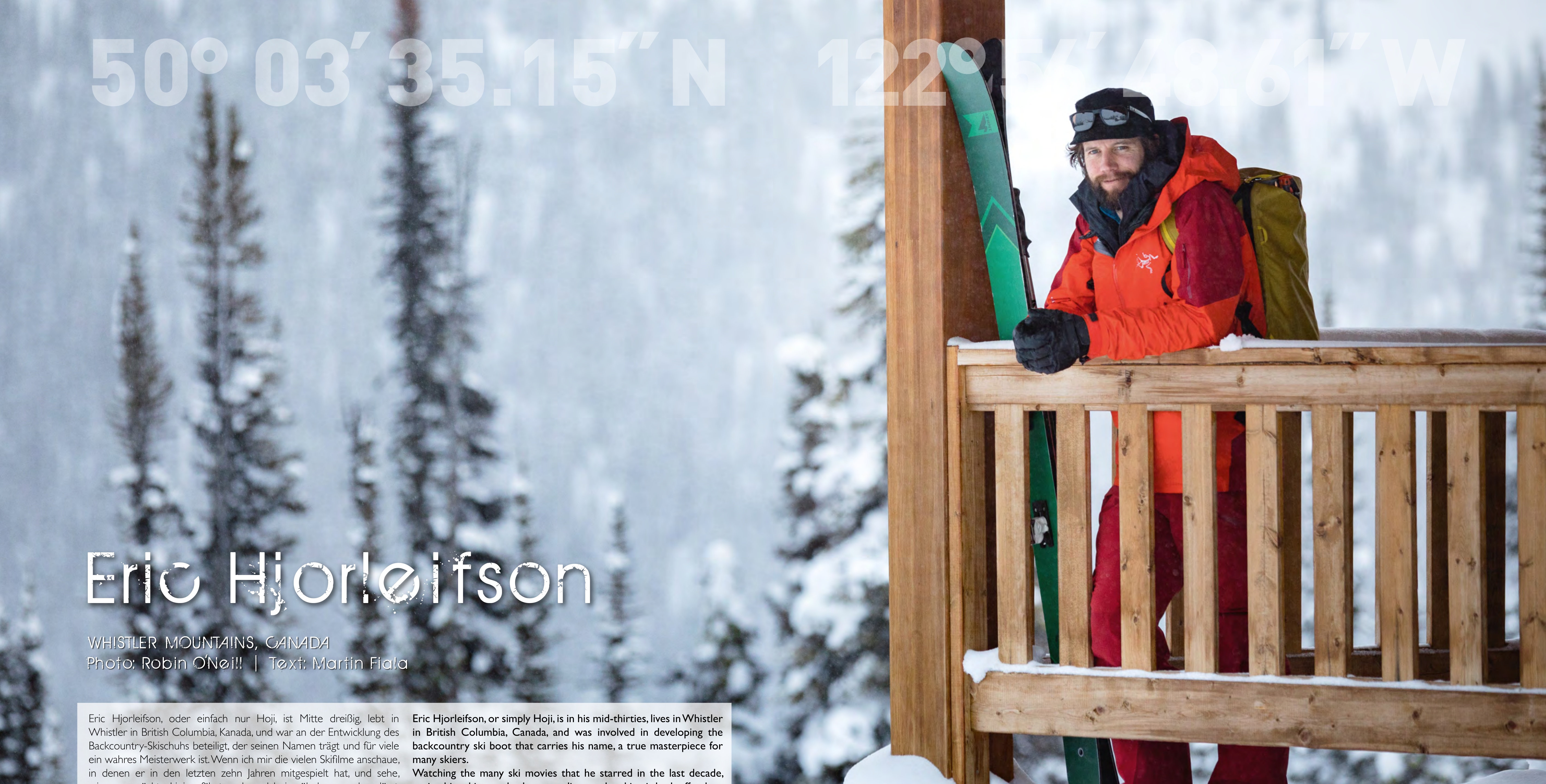
Eric Hjorleifson, or simply Hoji, is in his mid-thirties, lives in Whistler in British Columbia, Canada, and was involved in developing the backcountry ski boot that carries his name, a true …
Eric Hjorleifson, or simply Hoji, is in his mid-thirties, lives in Whistler in British Columbia, Canada, and was involved in developing the backcountry ski boot that carries his name, a true masterpiece for many skiers. Watching the many ski movies that he starred in the last decade, seeing him ski crazy backcountry lines and making it look effortless, has always put – and still puts – a big smile on my face. Enough reasons to have him at the top of my bucket list for a feature in this issue of BACKLINE. Setting up the video call, we planned to meet for roughly 30 minutes. We ended up talking for almost two hours, and it still felt like a well-spent short ten-minute chat. Hoji, thank you for taking the time.
Would you take us through your skiing career and point out the most influential and memorable moments? My career was firmly situated in filming with Matchstick. One of the most important moments for me was the annual January ski touring trip to Golden Alpine Holidays Meadow & Sentry Lodges in British Columbia back in 2010. That time, we used inserts for alpine bindings. Luckily, I was still in my twenties, strong and I didn't mind. Ski touring for me opened the door to access and ski untouched and beautiful lines. Skiing with touring bindings was kind of established in Europe by then. In Canada, ski touring was instead associated with multiple day trips from hut to hut, with guides and giant backpacks.
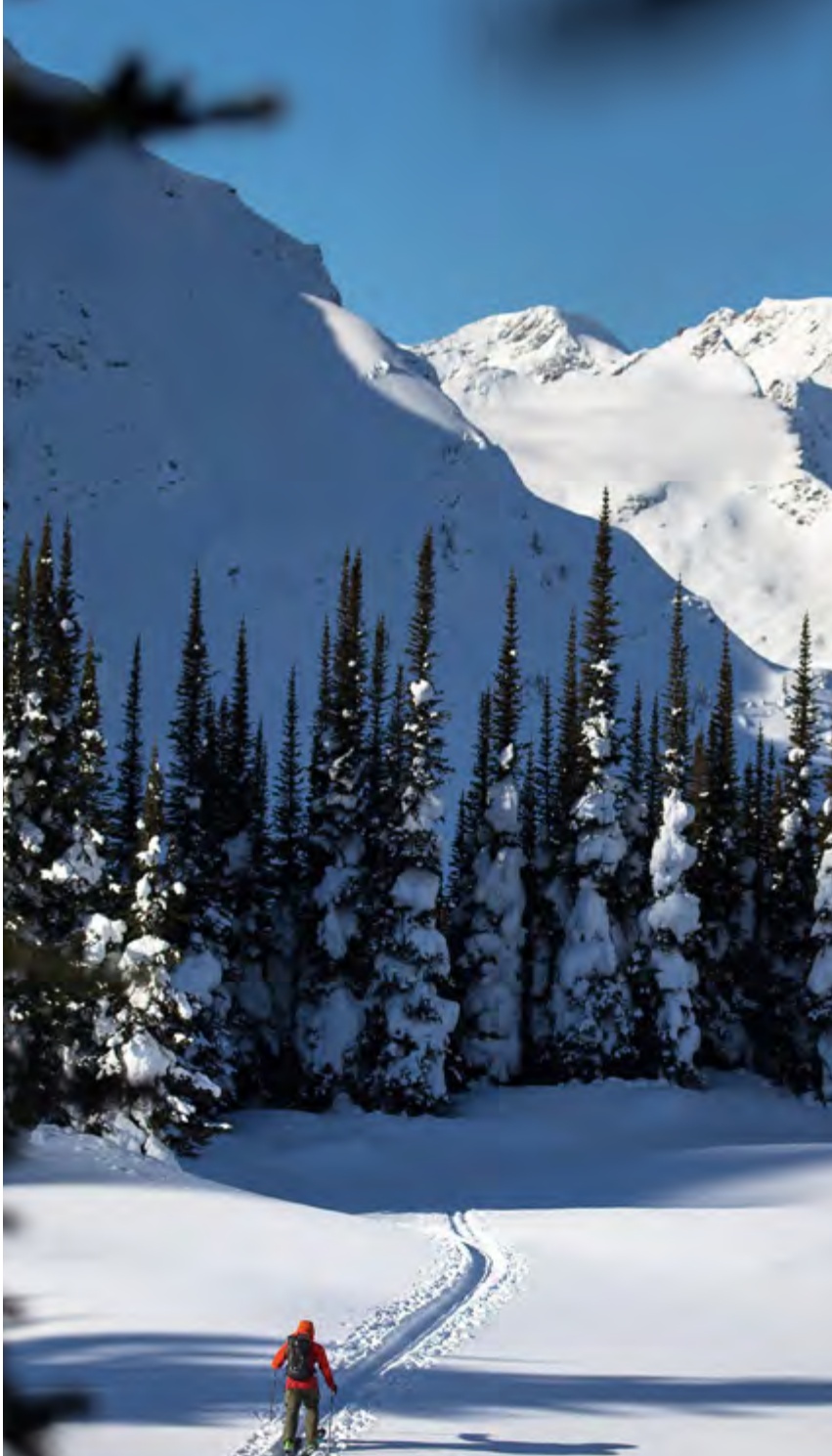
Diving deeper into all the tech findings while skiing more and more with ski touring equipment was a significant moment in my career and defined my path. What was your primary motivation to follow this path? I spent years of my career flying around in helicopters and using snowmobiles to get to cool lines. They are amazing tool vehicles but using them is also highly frustrating. I dislike the noise. I want to be out in these amazing wilderness areas, ski, and love it. And you're just listening to horrible, horrible loud noises, smelling the gas; I hate it. As soon as we started approaching the lines by fair means, I realized I wanted to spend as much time as possible doing it.
How did you deal with the extra portion of risk approaching bold lines by fair means? Looking back, I think hundreds of times I just got away with only not knowing any better. Backcountry skiing means a lifetime of learning. There are no shortcuts. I was super lucky growing up in the Canadian Rockies and skiing with people who were ten years older and had experience. They were on their way to either becoming guides or professional snow safety ski patrollers doing avalanche control. Finding mentors worked well for me. Nowadays, anyone can find excellent information online; everything is open and progressive. Also, the guiding community is growing and helpful. The evolution of Canadian Ski Guiding has been fantastic.
They put a premium focus on the educational component of guiding, which makes the entry to the backcountry for others possible and safe. What are your goals these days as a backcountry skier? I'm more of an opportunist, like I'm not an objective-focused guy as much anymore. I've identified that backcountry skiing is such a condition-dependent activity, and my focus is on understanding the conditions as best as possible. And when everything lines up, I appreciate those moments and just take advantage. Let's say I'm spoiled a bit. Living in Whistler, I am fortunate enough to be in an area with good skiing and good lines. What does developing backcountry skiing equipment mean to you? I think I just scratched the surface.
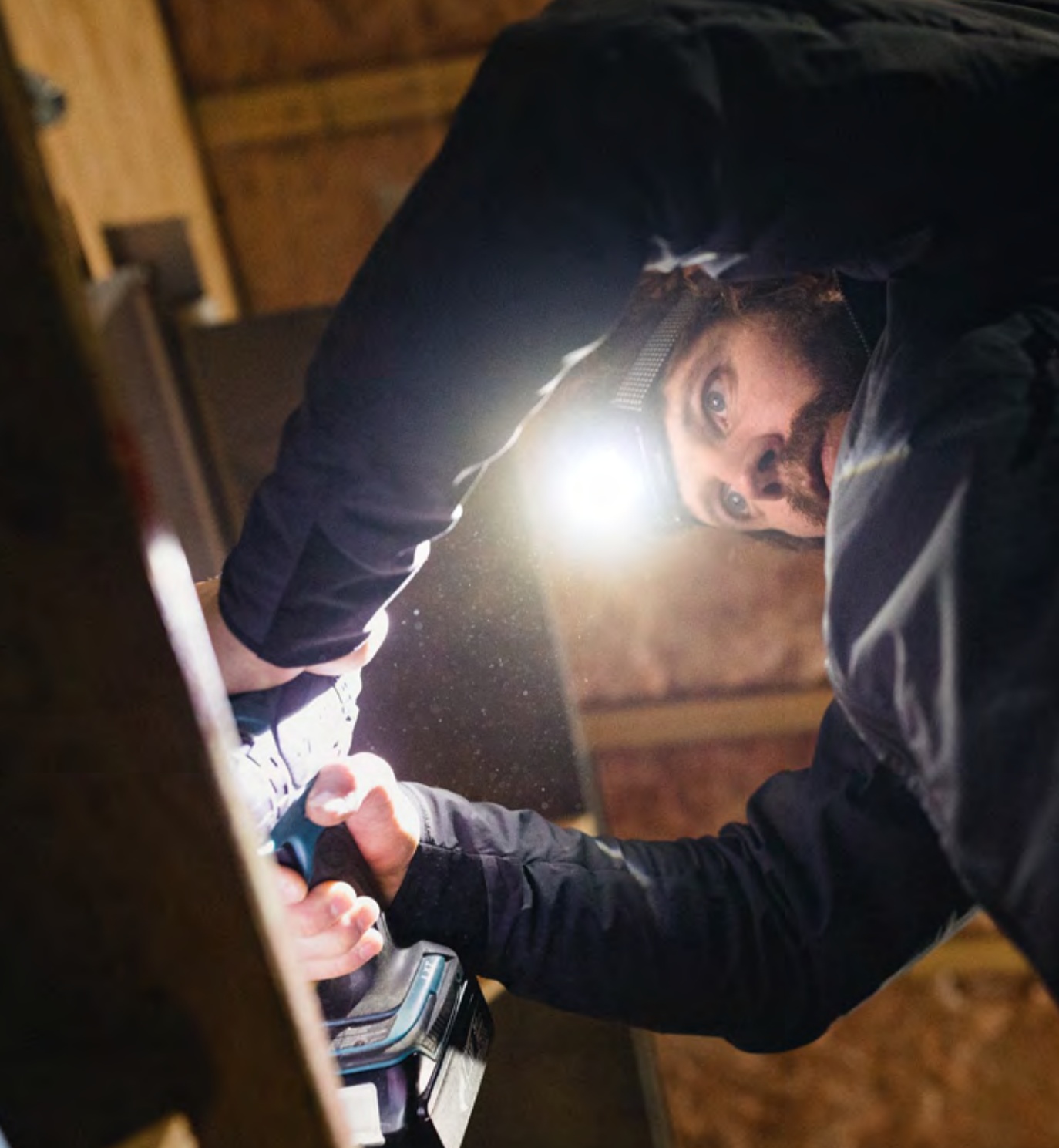
I worked like crazy last summer, came to Europe at the beginning of August, and I was there until the beginning of October and worked every single day on prototyping a boot. I am still working on this project and should go down to my shop right now and continue working on the prototype. I think there's still a lot of room for improvement and progression in the boot sector. I would also love to do more with bindings. You really need to be an engineer to play in the realm of bindings because it's just such a technical thing. I can't provide the same level of involvement as I can with boots at this moment. Maybe I'll get better at engineering. Two offers! Which one would you prefer?
A guiding license for free or a technical engineering degree with all the knowledge? That's a good question. I would probably go for the technical engineering side. It's a tough one, though, because as a guide, one is working in the mountains, which I love. I didn't go through a guiding certification training, but I feel like I've gone through a lot of that journey already, so there would not be as much of a journey ahead of me to get to the level. But I can see the journey of being technically trained and how that could affect my life as I grow older. Is it a challenge to find a balance between working as a developer, filming and your private life? That's one of the hardest to balance it all because you only have so much time in your life.
You only have so much life energy. And it is tricky. And I remember what was in 2014 when I started working on the boots in Austria and spent all of February developing. I think I went skiing once that month, and that was like the first time in my life. I mean, which professional skier takes February off from skiing? Mentally that was a bit of an interesting thing. Filming is very much a serious job, and you must get good at it to survive, work well with others and consistently create content that's at a good level. I am in my mid-thirties and moving on. I have a wife here in Whistler, and I have been very fortunate; it's good to have a partner and someone who really supports you. I'm a very lucky guy to have found all of this, all these different tangents.